
Best sunscreen for combination skin should protect your face without making oily areas greasy or dry areas feel tight, flaky, or uncomfortable.
Best Sunscreen for Combination Skin
Combination skin can be tricky because one part of the face may shine while another part needs more comfort. This guide explains how to choose an SPF that feels balanced enough for daily wear.
Quick answer: The best sunscreen for combination skin usually has a lightweight lotion, gel-cream, or soft fluid texture that layers well over moisturizer without feeling heavy.
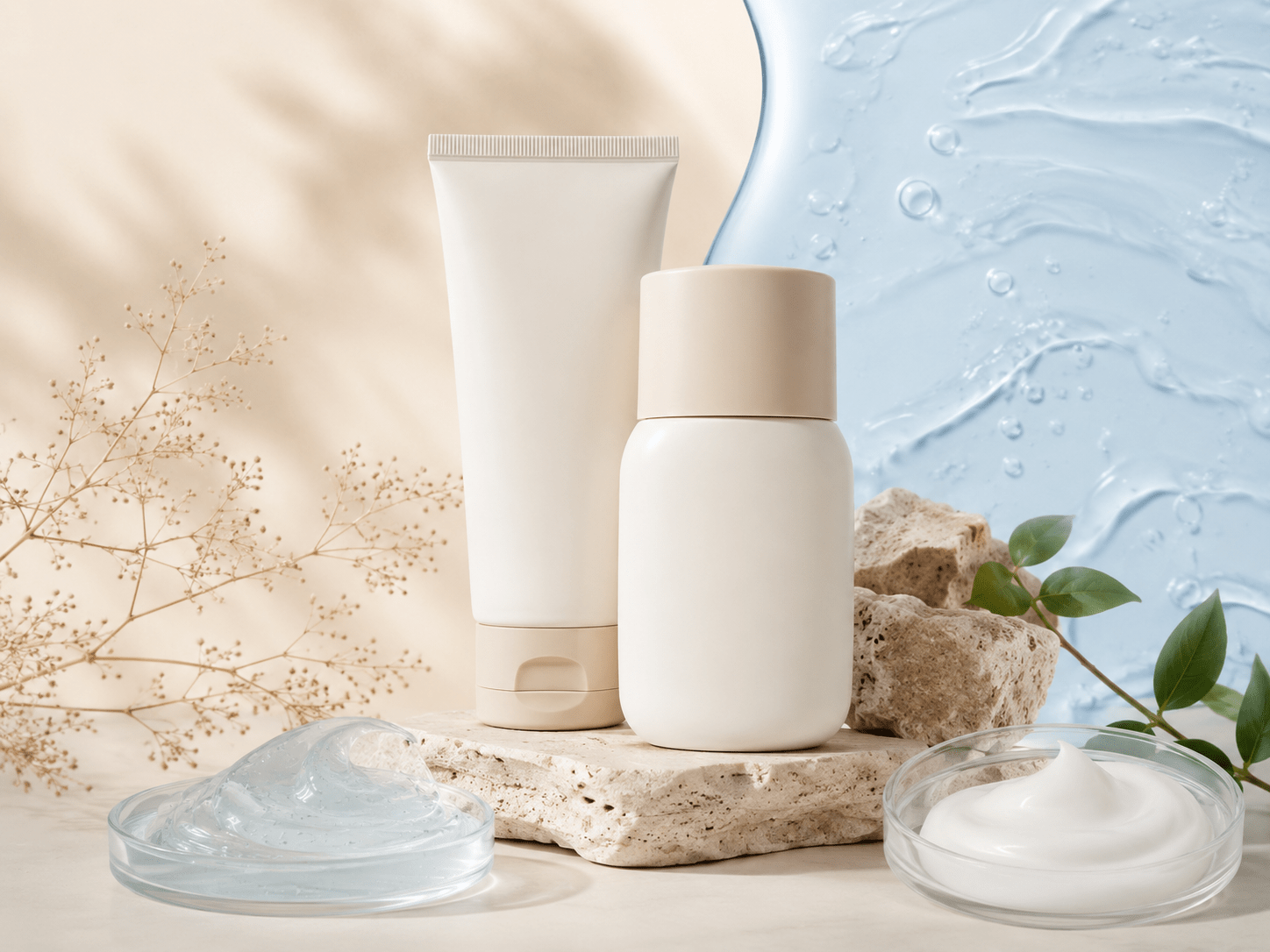
Best Sunscreen for Combination Skin Starts With Balance
Best sunscreen for combination skin is not always the most matte sunscreen or the richest moisturizing sunscreen. Combination skin often needs something in the middle. The forehead, nose, and chin may get shiny, while the cheeks or outer edges of the face may feel dry, tight, or textured.
That split is what makes sunscreen shopping frustrating. A formula made for oily skin may control shine but make the dry areas look rough. A formula made for dry skin may feel comforting on the cheeks but too shiny through the center of the face.
The goal is to choose daily sun protection that gives your skin a flexible, comfortable finish. It should not feel greasy within an hour, but it also should not make the skin feel stretched or powdery. For most combination skin, the sweet spot is a lightweight lotion, gel-cream, or fluid sunscreen that feels smooth without being too rich.
How Combination Skin Behaves With Sunscreen
Combination skin is not one single skin type pattern. Some people are oily in the T-zone and normal everywhere else. Some are oily around the nose but dry on the cheeks. Some become oily in summer and dry in winter. That is why the best sunscreen for combination skin may change slightly with weather, makeup, and your routine underneath.
Check Your Zones
Before blaming sunscreen, look at where the problem happens. Your face may need a different layering strategy in different areas.
- Forehead: may get shiny or slick faster than the rest of the face.
- Nose: often breaks down sunscreen and makeup first.
- Cheeks: may feel dry, tight, or textured after SPF.
- Jawline: may tolerate richer products better than the T-zone.
- Under makeup: pilling may come from too many layers, not just sunscreen.
Once you understand the zones, it becomes easier to choose a sunscreen texture and adjust the moisturizer underneath. You may need a lighter moisturizer in the T-zone and a little extra comfort on the cheeks.
Texture Guide for the Best Sunscreen for Combination Skin
The best sunscreen for combination skin usually avoids extremes. A very rich cream may feel too heavy. A very dry matte sunscreen may cling to dry patches. A balanced texture is usually more wearable for the whole face.
Gel-cream sunscreen
A gel-cream can feel light through oily areas while still giving enough comfort for normal or slightly dry areas.
Light lotion sunscreen
A lotion texture can be a good middle ground because it spreads easily without feeling as heavy as a rich cream.
Soft fluid sunscreen
A fluid sunscreen may layer well under makeup, especially when your moisturizer underneath is doing enough work.
Natural finish sunscreen
A natural finish usually works better than a strong matte or very dewy finish for combination skin.
What to Avoid in Combination Skin SPF
Finding the best sunscreen for combination skin also means knowing what tends to cause problems. Combination skin can react badly to a sunscreen that is too heavy, too drying, too slippery, or hard to layer.
Too heavy
If sunscreen feels thick and greasy, your T-zone may look shiny fast, and makeup may separate around the nose.
Better choice
Try a lightweight lotion or gel-cream texture that gives comfort without coating the skin too heavily.
Too drying
If sunscreen dries down powdery, the cheeks may look flaky, rough, or more textured than usual.
Better choice
Choose a sunscreen with a flexible finish, and use moisturizer where your skin needs more support.
Best Sunscreen for Combination Skin Under Makeup
Best sunscreen for combination skin under makeup should help foundation apply evenly across the face. If your makeup breaks apart in the T-zone but clings to dry cheeks, the sunscreen may not be the only issue. The moisturizer, primer, foundation, and waiting time between layers can all change the final look.
For makeup days, combination skin often does best with thin layers. Start with skincare that supports the dry areas without overloading the oily areas. Let moisturizer settle before sunscreen. Let sunscreen settle before foundation. If you rush every layer, even a good sunscreen can pill or slide.
Use moisturizer strategically
Apply a lighter amount through the T-zone and a little more on dry cheeks if needed.
Give layers time
Let moisturizer settle before SPF, and let sunscreen settle before makeup to reduce pilling.
Watch the nose area
If makeup separates around the nose, the formula may be too rich or the layers may be too heavy.
Do not over-powder dry spots
Powder may help shine, but too much can make dry areas look older, heavier, or more textured.
Should Combination Skin Use Oily Skin or Dry Skin Sunscreen?
This is where a lot of people get stuck. Combination skin sits between categories, so copying advice for only oily skin or only dry skin may not work. The best sunscreen for combination skin should respect both sides of your face.
If your T-zone gets extremely shiny, you may like some oily-skin sunscreen recommendations, but avoid formulas that make your cheeks tight. If your cheeks are very dry, you may like some dry-skin sunscreen recommendations, but avoid formulas that make your nose and forehead greasy.
Think of your sunscreen as the middle layer between skincare and makeup. It needs to protect, but it also needs to behave well with your real skin pattern. Combination skin usually needs balance more than drama.
Layering Tips for Combination Skin
Even the best sunscreen for combination skin can feel wrong if the layers underneath are not balanced. A heavy moisturizer under a dewy sunscreen may be too much for the T-zone. A thin gel under a matte sunscreen may not be enough for dry cheeks.
You do not always need a completely different product for each part of your face. Sometimes you only need to adjust the amount. Use a thinner layer of moisturizer in oily areas and a slightly richer layer where the skin feels tight.
- Use gentle cleanser so dry areas do not start the day already tight.
- Apply moisturizer based on what each zone needs.
- Choose sunscreen with a natural or soft finish.
- Avoid stacking too many slippery products before sunscreen.
- Let SPF settle before applying makeup or powder.
- Use blotting papers later instead of over-drying your whole face.
Mineral, Chemical, or Hybrid Sunscreen for Combination Skin?
The best sunscreen for combination skin can be mineral, chemical, or hybrid. The filter category is not the only thing that determines whether a sunscreen feels good. Texture, finish, moisturizer level, and how the formula layers matter just as much.
Mineral sunscreens can work well for some sensitive skin types, but some formulas may feel thicker or drier. Chemical sunscreens may feel more lightweight and transparent, but some people with reactive skin may notice stinging. Hybrid sunscreens can feel balanced, but each product still needs to be judged by how it behaves on your face.
For combination skin, focus on daily wear. If the sunscreen feels comfortable, does not make the T-zone too greasy, does not make dry areas tight, and layers well with your routine, it is more useful than a formula that sounds perfect but feels annoying.
Best Sunscreen for Combination Skin Mistakes
Choosing the best sunscreen for combination skin becomes easier when you avoid the common mistakes that make the face look uneven. Combination skin is already mixed, so the wrong routine can exaggerate both shine and dryness.
Mistake
Using a strong matte sunscreen all over the face because the T-zone gets oily.
Better fix
Choose a balanced sunscreen and control shine only where you need it.
Mistake
Using a rich dry-skin sunscreen all over the face because the cheeks feel tight.
Better fix
Add moisture to dry areas, but keep the sunscreen texture lighter through the center of the face.
Mistake
Changing sunscreen too fast without checking the cleanser, moisturizer, or makeup underneath.
Better fix
Adjust the whole morning routine so the sunscreen has a better base to sit on.
FAQ About Best Sunscreen for Combination Skin
What is the best sunscreen for combination skin?
The best sunscreen for combination skin is usually a lightweight lotion, gel-cream, or soft fluid SPF with a natural finish that does not feel too greasy or too drying.
Should combination skin use matte sunscreen?
Some combination skin can use matte sunscreen, especially in the T-zone, but a very matte formula may make dry areas look flaky or tight.
Should combination skin use moisturizer before sunscreen?
Yes, but the amount can vary by zone. Use less moisturizer where you get oily and more where the skin feels dry or tight.
Can combination skin use sunscreen for oily skin?
Sometimes, but choose carefully. Oily-skin formulas may work for the T-zone but may not feel comfortable on dry cheeks.
Can combination skin use sunscreen for dry skin?
Sometimes, especially in cooler weather or when the cheeks are dry. Just make sure the formula does not feel too rich through the T-zone.
Final Thoughts on Best Sunscreen for Combination Skin
Best sunscreen for combination skin should protect your face while respecting both oily and dry areas. You do not need the driest matte SPF or the richest moisturizing SPF unless your skin clearly needs one of those extremes.
Look for a sunscreen that feels balanced, smooth, and wearable. If your T-zone gets shiny, adjust the moisturizer underneath or blot later. If your cheeks feel tight, support them with a better base before sunscreen.
The best sunscreen for combination skin is the one you can wear consistently without fighting shine, flakes, pilling, or discomfort every morning.
This page is for general skincare education only and is not medical advice. For sunscreen label and protection guidance, review the FDA sunscreen guide. If sunscreen causes burning, swelling, hives, or severe irritation, stop using it and contact a qualified medical professional.