
Barrier repair guide help is important when your skin feels irritated, tight, rough, burning, flaky, or suddenly sensitive to products that used to feel fine.
Barrier Repair Guide – How to Calm and Support Your Skin
This barrier repair guide explains what the skin barrier does, signs your barrier may be stressed, what to stop using temporarily, and how to rebuild a calmer skincare routine. The goal is not to panic or throw away every product you own. The goal is to simplify until your skin feels safe again.
A damaged barrier can make skincare feel confusing because even gentle products may sting. Before adding more serums or stronger treatments, it helps to slow down, protect the skin, and give your barrier time to recover.
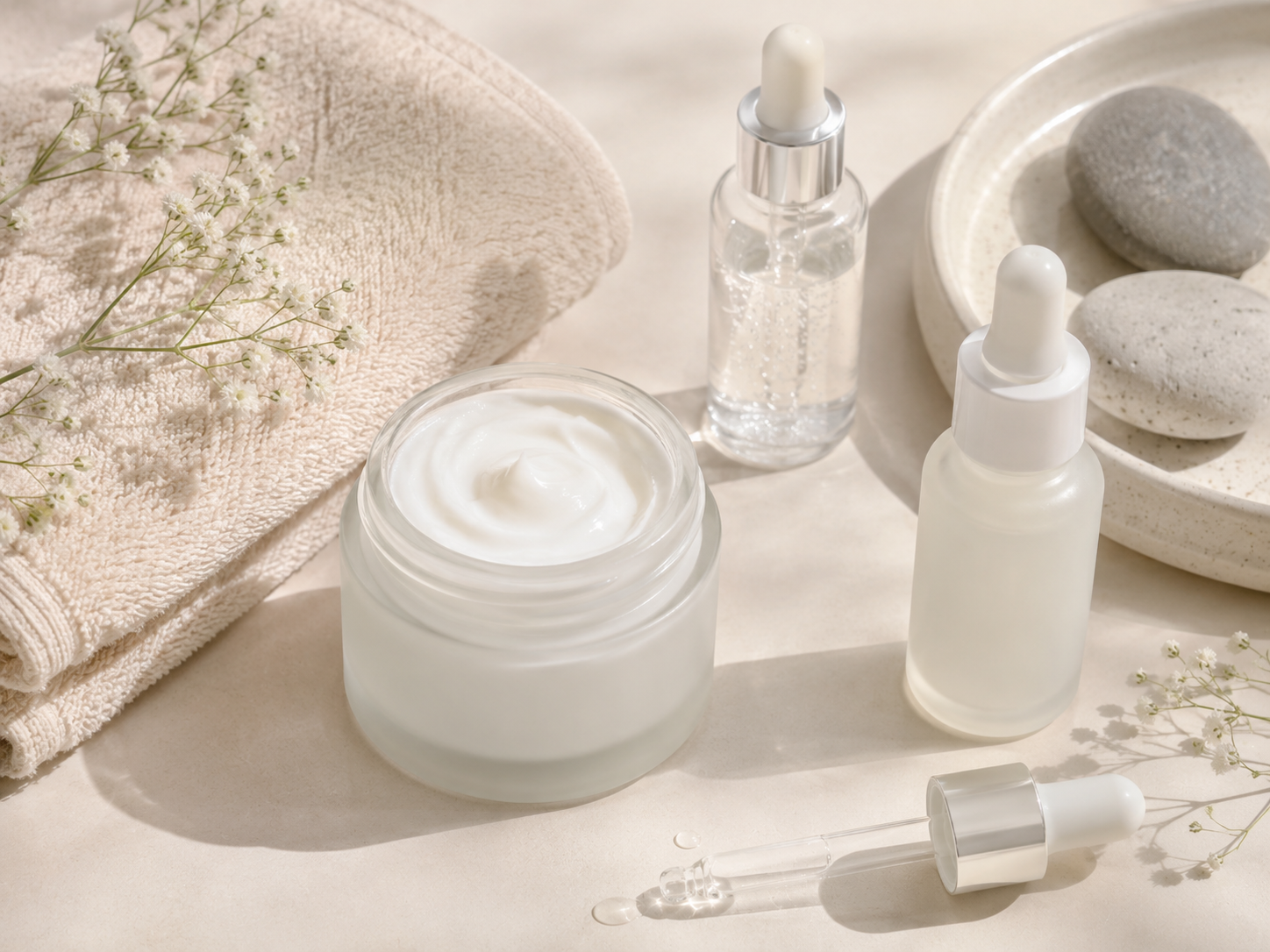
Barrier Repair Guide Basics
A barrier repair guide starts with one simple idea: your skin barrier is your skin’s protective outer layer. It helps hold moisture in and helps keep irritants out. When the barrier is healthy, your skin usually feels more comfortable, more flexible, and less reactive.
When the barrier is stressed, your skin can feel completely different. Moisturizer may sting. Cleansers may feel harsh. Products that worked before may suddenly feel irritating. Skin may look red, shiny, flaky, rough, or dull all at the same time.
This does not always mean you need more products. Many times, your skin needs fewer products. A good barrier repair guide should help you know what to pause, what to keep, and when to restart active ingredients slowly.
Calm First
The first goal is comfort. Do not chase glow, exfoliation, or anti-aging results while your skin is actively irritated.
Simplify
A basic routine with cleanser, moisturizer, and sunscreen is often more helpful than stacking more treatments.
Restart Slowly
Once your skin feels steady, add actives back one at a time instead of returning to everything overnight.
Signs You May Need a Barrier Repair Guide
You may need a barrier repair guide if your skin suddenly feels more sensitive than usual. Barrier damage does not always look dramatic. Sometimes it starts as tightness, a little stinging, or unusual dryness after cleansing.
Other times, the signs are obvious. Your skin may burn when you apply moisturizer, peel around the nose and mouth, look shiny but feel dry, or react to products you normally tolerate.
Stinging or Burning
If basic moisturizer, cleanser, or sunscreen stings, your barrier may be stressed. This is a common reason people look for a barrier repair guide.
Tightness After Cleansing
Your skin should not feel squeaky, tight, or uncomfortable after cleansing. That tight feeling can be a sign that your cleanser or routine is too stripping.
Flaking and Rough Texture
Flaking can happen when the barrier is dry, irritated, over-exfoliated, or not holding moisture well. Rough texture is not always a sign that you need more exfoliation.
Sudden Product Sensitivity
If products you used to love suddenly feel irritating, your barrier may need a break. This is the time to simplify, not add more actives.
A barrier repair guide is especially useful if your skin feels oily and dry at the same time. That tight-but-shiny feeling often points to dehydration, irritation, or barrier stress rather than a simple skin type issue.
What Causes Skin Barrier Damage?
Skin barrier damage usually happens when the skin is pushed harder than it can handle. That can come from strong products, too many new steps, harsh cleansing, weather changes, over-exfoliation, or using actives too often.
This barrier repair guide focuses on routine habits because those are the things you can adjust. You may not be able to control every trigger, but you can make your skincare routine calmer and more supportive.
Over-Exfoliating
Using scrubs, acid toners, exfoliating masks, exfoliating cleansers, and leave-on acids too often can weaken the barrier. More exfoliation does not always mean smoother skin.
Starting Retinol Too Fast
Retinol can be helpful, but starting too often or using too much can lead to peeling, burning, and irritation. Retinol routines need patience.
Harsh Cleansers
A cleanser that leaves your skin tight or squeaky may be removing too much. Gentle cleansing is one of the most important steps in this barrier repair guide.
Too Many New Products
When you start several products at once, your skin may become overwhelmed. If irritation happens, you also will not know which product caused the problem.
What to Stop Temporarily During Barrier Repair
A strong barrier repair guide should be clear about what to pause. When skin is irritated, the answer is usually not to add another strong active. The answer is to stop the steps that may keep the skin irritated.
This pause is temporary. You are not quitting every active forever. You are giving your skin enough quiet time to feel normal again.
Exfoliating Acids
Pause AHA, BHA, and PHA products while your skin is burning, peeling, or stinging. You can revisit the AHA, BHA, and PHA guide later when your skin is calm.
Retinoids
Pause retinol or other retinoids if your skin feels raw. Once your skin is steady, restart slowly with fewer nights per week.
Strong Vitamin C
Some vitamin C formulas can sting irritated skin. If your skin barrier is stressed, wait until your skin feels comfortable again.
Scrubs and Cleansing Brushes
Physical exfoliation can make barrier damage worse. During repair, use your hands and a gentle cleanser instead.
If you are unsure whether a product is too strong, simplify for a week or two. A barrier repair guide works best when you remove the possible irritants before adding anything new.
Simple Barrier Repair Guide Routine
This barrier repair guide routine is intentionally simple. It is not meant to be exciting. It is meant to help your skin feel calm, hydrated, and protected while the barrier recovers.
Use a Gentle Cleanser
Cleanse with a mild product that does not leave your skin tight. If your skin is very irritated, you may only need a full cleanse at night and a gentle rinse in the morning.
Apply a Simple Moisturizer
Choose a moisturizer that feels comfortable and does not sting. Creams with barrier-supporting ingredients may be helpful, especially if your skin feels dry or rough.
Use Sunscreen During the Day
Sunscreen matters because irritated skin can be more vulnerable. Choose the gentlest sunscreen texture your skin tolerates and avoid unnecessary sun exposure during repair.
Keep the Routine Boring
Do not keep adding products because you are impatient. A calmer routine gives your skin a better chance to settle. This is one of the most important parts of any barrier repair guide.
Ingredients That Can Support the Skin Barrier
A barrier repair guide should focus on supportive ingredients, not harsh treatments. The goal is to help the skin feel more comfortable while supporting moisture and barrier function.
You do not need every ingredient below in one product. A simple moisturizer with a few supportive ingredients is often better than a long routine with too many layers.
Ceramides
Ceramides are naturally part of the skin barrier. Moisturizers with ceramides may help support dry or barrier-stressed skin.
Glycerin
Glycerin is a common humectant that helps attract water. It is often found in gentle moisturizers and hydrating formulas.
Panthenol
Panthenol is often used in soothing products. It can be helpful when skin feels dry, uncomfortable, or stressed.
Hyaluronic Acid
Hyaluronic acid can support hydration, but it should be followed with moisturizer so the skin feels comfortable.
Squalane
Squalane can help soften the feel of dry skin. It may be useful when lightweight products are not enough.
Colloidal Oatmeal
Colloidal oatmeal is often used in calming skincare and body care products for dry or irritated-feeling skin.
Barrier Repair Guide Tips by Skin Type
The same barrier repair guide will not feel identical for every skin type. Dry skin may need more richness. Oily skin may need lighter layers. Sensitive skin may need the simplest formulas possible.
If you are not sure what your skin type is, use the how to identify your skin type guide before rebuilding your routine.
Dry Skin
Dry skin usually needs a richer moisturizer during barrier repair. Creamy cleansers, ceramides, and gentle hydrating steps can be helpful.
Oily Skin
Oily skin still needs moisture. Use lightweight moisturizers instead of skipping moisturizer completely. Stripping oily skin can make it feel more irritated.
Combination Skin
Combination skin may need a lighter layer through the T-zone and more moisturizer on dry areas. Keep the routine balanced.
Sensitive Skin
Sensitive skin should restart products slowly. Choose simple formulas and avoid adding several new products at the same time.
When to Restart Retinol, Acids, and Stronger Products
A barrier repair guide should also explain when to restart actives. You do not need to avoid retinol, exfoliating acids, or brightening products forever. You just need to restart them when your skin is ready.
Your skin may be ready when moisturizer no longer stings, cleansing feels comfortable, flakes have improved, and your skin feels calmer for several days in a row. Even then, restart slowly.
Pick one active first. Do not restart retinol, acids, vitamin C, and brightening serums all in the same week. Start with one product, use it less often than before, and watch your skin.
Before combining active ingredients again, use the ingredient compatibility guide. That page can help you avoid stacking combinations that may be too irritating while your skin is still rebuilding tolerance.
Retinol Restart Tip
Restart retinol only one or two nights per week at first. Use moisturizer with it and avoid exfoliating acids on the same night.
Acid Restart Tip
Restart exfoliating acids gently. Once per week may be enough at first. More exfoliation is not always better.
Barrier Repair Mistakes to Avoid
Even a good barrier repair guide will not help if the routine keeps repeating the same irritation cycle. The biggest mistake is trying to fix barrier damage with more strong products.
Skin that is already irritated does not need a peel, scrub, retinol increase, or a complicated routine. It needs time, moisture, protection, and fewer triggers.
Changing Everything Every Day
If you change products constantly, your skin does not get a chance to settle. Keep the repair routine steady long enough to see whether it helps.
Using Actives Too Soon
Restarting retinol or acids too early can send your skin right back into irritation. Wait until your skin feels comfortable for several days.
Skipping Sunscreen
Sunscreen protects stressed skin during the day. If sunscreen stings, look for a gentler formula instead of skipping it completely.
Expecting Overnight Repair
Barrier repair can take time. Some skin calms quickly, while other skin needs several weeks of consistency.
Helpful Skin Ingredient Lab Pages to Read Next
This barrier repair guide connects to several other Skin Ingredient Lab pages. These guides can help you rebuild your routine in a calmer, smarter order.
Beginner Skincare Routine
Start here if your routine has become too complicated and you need a simple reset.
Read the beginner routineIngredient Compatibility Guide
Learn which ingredients work together before restarting stronger products.
Read the compatibility guideHow to Identify Your Skin Type
Choose better product textures based on whether your skin is oily, dry, combination, or sensitive.
Find your skin typeHyaluronic Acid
Learn how hydration ingredients fit into dry, tight, or dehydrated-feeling skin.
Read the hyaluronic acid guideAHA, BHA, and PHA
Understand exfoliating acids before adding them back into a routine.
Read the acid guideFor a safe outside reference, Cleveland Clinic shares tips for dry facial skin, including avoiding hot water and harsh rubbing. Read more here: Cleveland Clinic dry skin on face guide.
Barrier Repair Guide FAQ
How do I know if my skin barrier is damaged?
You may notice stinging, burning, tightness, flakes, rough texture, redness, or sudden sensitivity to products that usually feel fine.
How long does barrier repair take?
It depends on how irritated your skin is and what caused it. Some skin feels better in days, while other skin needs several weeks of a simple routine.
Can I use retinol during barrier repair?
If your skin is burning, peeling, or stinging, pause retinol temporarily. Restart slowly when your skin feels calm and comfortable again.
Can oily skin need barrier repair?
Yes. Oily skin can still have a damaged barrier. If oily skin feels tight, irritated, or stings with products, it may need repair and hydration.
What is the most important step in a barrier repair guide?
The most important step is simplifying. Pause strong actives, use gentle products, moisturize consistently, and protect your skin during the day.
Final Thoughts
A barrier repair guide should help you stop the irritation cycle, not make your routine more complicated. When your skin feels stressed, go back to the basics and give it time to calm down.
Once your skin feels steady, restart active ingredients slowly and one at a time. Calm skin can handle a routine much better than irritated skin can.