
Hyaluronic acid is one of the most popular skincare ingredients because it helps skin feel hydrated, fresh, and more comfortable without acting like a harsh exfoliating active.
Hyaluronic Acid – Benefits, Uses, and How to Apply It
Hyaluronic acid is used in serums, moisturizers, masks, and gentle skincare products. It is known as a humectant, which means it helps attract water to the skin’s surface layers.
This guide explains what this ingredient does, how to apply it correctly, which skin types may benefit, what to pair it with, and the mistakes that can make a hydrating serum feel sticky or tight instead of comfortable.
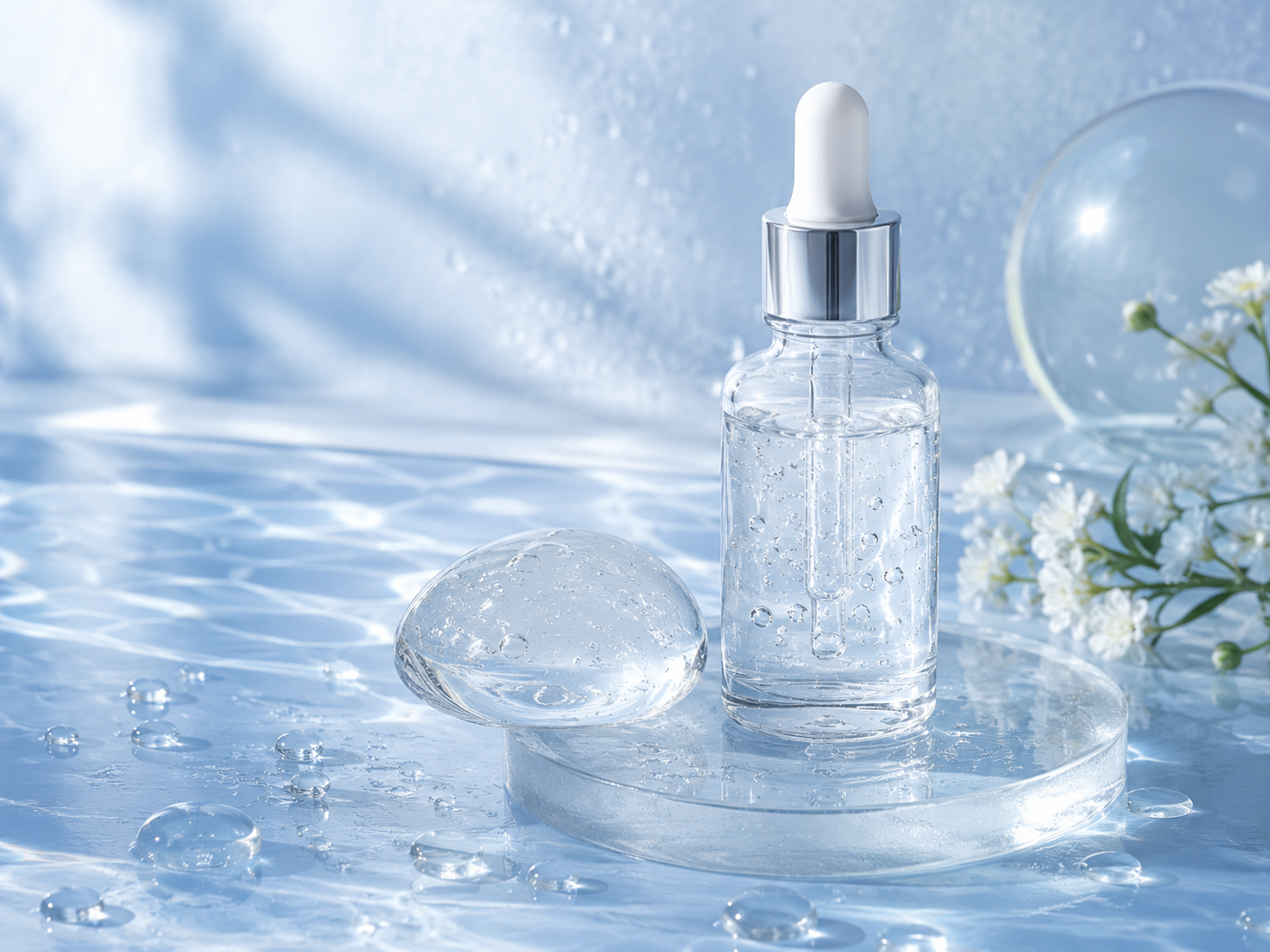
What Is Hyaluronic Acid?
Hyaluronic acid is a water-binding ingredient used to help skin feel hydrated. It is not the same kind of acid as glycolic acid, lactic acid, or salicylic acid. The word acid can sound intense, but this is usually a gentle hydration ingredient.
In skincare, it helps attract water to the skin’s surface layers. This can make the face feel smoother, softer, and less tight. It can also help improve the look of temporary dehydration lines because hydrated skin often appears more plump.
One important thing to know is that a serum is not always enough by itself. Many people still need moisturizer over it. Moisturizer helps seal in comfort, supports the skin barrier, and keeps the routine from feeling tight after the serum dries down.
That is why this ingredient works best as part of a complete routine. Cleanse gently, apply your hydration step, moisturize, and use sunscreen during the day.
Hyaluronic Acid Benefits for Skin
Hyaluronic acid is popular because it can fit into many routines. It usually does not require the same adjustment period as retinol or exfoliating acids. For many beginners, it is an easy first serum because it focuses on hydration instead of resurfacing.
Helps Skin Feel Hydrated
This ingredient can help the skin feel more hydrated by attracting water. That can be helpful when the face feels tight, dull, or temporarily dehydrated.
Hydrated skin often looks smoother and more comfortable. Makeup may also sit better when the surface does not feel dry or flaky.
Supports a Softer-Looking Texture
When the skin is dehydrated, fine lines can look more noticeable. A water-binding serum can help temporarily soften the look of dehydration lines.
This does not mean it replaces retinoids for deeper wrinkles. It simply supports the appearance of plumper, more hydrated skin.
Works With Many Ingredients
Hyaluronic acid pairs well with many common skincare ingredients, including niacinamide, ceramides, peptides, retinol, and vitamin C.
Before stacking stronger products, check the ingredient compatibility guide so your routine stays balanced.
Beginner Friendly
For someone building a beginner skincare routine, this can be an easy hydration step. It is not required, but it can help if your skin feels dehydrated.
Start with one product and watch how your skin feels before adding more serums.
How to Use Hyaluronic Acid Correctly
Hyaluronic acid is simple, but how you apply it matters. Many people dislike it because they apply it to very dry skin and do not follow with moisturizer. That can make the product feel sticky, tight, or less useful than expected.
Cleanse Gently
Start with a gentle cleanser. If your cleanser leaves your skin tight or squeaky, your routine may already be too drying. Hydration works better when the skin barrier is not stressed.
Apply to Slightly Damp Skin
This type of serum often feels best when applied to slightly damp skin. Your face should not be dripping wet, but a little water can help the product spread and feel more comfortable.
Follow With Moisturizer
Moisturizer is important after hyaluronic acid. It helps seal in hydration and keeps the skin from feeling tight after the serum dries down.
Use Sunscreen in the Morning
If you use the serum in the morning, finish with sunscreen. Hydration can help the skin feel better, but sunscreen protects the results of your routine.
Who Should Use Hyaluronic Acid?
Hyaluronic acid can work for many skin types, but the way it feels depends on the formula and the rest of your routine. A lightweight serum may feel great for oily skin, while dry skin may need a richer moisturizer on top.
If you are unsure about your skin type, start with the how to identify your skin type guide. Choosing the right texture matters just as much as choosing the right ingredient.
Dry Skin
Dry skin may like a hydrating serum, but it usually needs moisturizer too. A serum alone may not be enough for long-lasting comfort.
Oily Skin
Oily skin can still be dehydrated. A lightweight water-binding serum can add hydration without the heavy feel of rich creams.
Combination Skin
Combination skin may use this step across the whole face, then adjust moisturizer amounts by area.
Sensitive Skin
Sensitive skin may tolerate this ingredient well, but simple formulas are usually better than heavily fragranced ones.
Dehydrated Skin
Dehydrated skin is one of the main reasons people use this type of serum. It can help tight-feeling skin feel more comfortable.
Barrier-Stressed Skin
If your barrier is irritated, hydration may help, but focus on the full barrier repair guide too.
What Can You Pair With Hyaluronic Acid?
Hyaluronic acid is flexible because it is not usually a strong active. It can fit into routines with brightening ingredients, retinoids, moisturizers, peptides, and barrier-supporting products.
The key is not to expect a hydration serum to fix an overly aggressive routine. It can support comfort, but it cannot cancel out too much exfoliation or a damaged barrier.
With Niacinamide
This is a common beginner-friendly pairing. One supports hydration, while the other can help with balance and the look of uneven tone.
With Ceramides
This is one of the best pairings for comfort. A water-binding serum adds hydration, while ceramides support the barrier.
With Retinol
Hyaluronic acid can be used in a retinol routine to help reduce the feeling of dryness. Use retinol carefully and read the retinol guide before starting.
With Vitamin C
Vitamin C can fit well in a morning routine with a hydrating serum. Follow with moisturizer if needed and always finish with sunscreen.
Hyaluronic Acid Mistakes to Avoid
Hyaluronic acid is easy to use, but a few mistakes can make it feel sticky, tight, or disappointing. Most problems come from expecting one serum to replace a full routine.
Skipping Moisturizer
A hydrating serum should usually be followed with moisturizer. Without moisturizer, some people feel tight once the product dries.
Using Too Much Product
More is not always better. Too much serum can feel sticky or pill under sunscreen and makeup.
Applying Only to Very Dry Skin
Many people prefer applying this ingredient to slightly damp skin. This can help the product feel smoother and more comfortable.
Ignoring the Barrier
If your skin burns or stings, hydration alone may not be enough. You may need to simplify and focus on barrier repair first.
If the ingredient never feels good on your skin, the issue may be the formula, climate, amount used, or moisturizer you apply after it.
Simple Hyaluronic Acid Routine Examples
Hyaluronic acid can be used morning or night. It does not need to be used twice a day unless your skin likes it. Start once daily or a few times per week if your routine is new.
Morning Routine
- Gentle cleanse or rinse
- Hydrating serum
- Moisturizer if needed
- Sunscreen
This routine is helpful when your skin feels dehydrated in the morning but you still want lightweight layers.
Night Routine
- Cleanser
- Hydration step
- Moisturizer
- Optional treatment on selected nights
At night, this ingredient can fit before moisturizer or alongside a gentle routine focused on comfort.
What Hyaluronic Acid Can and Cannot Do
Hyaluronic acid can help skin feel hydrated, smoother, and more comfortable. It can support the look of plumpness when skin is dehydrated. It can also make a routine feel easier to tolerate when paired with moisturizer.
It cannot permanently erase deep wrinkles, replace sunscreen, repair every damaged barrier by itself, or make an irritating routine safe. It is a hydration ingredient, not a cure-all.
This matters because skincare marketing can make every ingredient sound like a miracle. This one is useful, but it works best when you understand its role. Think of it as hydration support, not the entire routine.
If your main concern is deeper wrinkles, learn about retinol and retinoids. If your main concern is texture, learn about AHA, BHA, and PHA. If your skin is irritated, start with barrier repair before chasing stronger results.
Helpful Skin Ingredient Lab Pages to Read Next
Use these related Skin Ingredient Lab pages to build a smarter routine around hyaluronic acid and other ingredients.
Beginner Skincare Routine
Build a simple routine before adding too many serums or active ingredients.
Read the beginner routineIngredient Compatibility Guide
Learn what pairs well with hydrating ingredients and what combinations need caution.
Read the compatibility guideBarrier Repair Guide
Support irritated skin before adding stronger actives back into your routine.
Read the barrier repair guideHow to Identify Your Skin Type
Choose better textures by learning whether your skin is dry, oily, combination, or sensitive.
Find your skin typeRetinol
Learn how retinol fits into routines that also include hydration support.
Read the retinol guideAHA, BHA, and PHA
Compare exfoliating acids before adding them to a hydration-focused routine.
Read the acid guideFor a safe outside reference, Cleveland Clinic explains a simple skincare routine order in its guide to ordering skincare products.
Hyaluronic Acid FAQ
Can I use this ingredient every day?
Many people can use it daily. Start slowly if your skin is sensitive, and always follow with moisturizer if your skin feels tight.
Should it go on wet or dry skin?
It often feels best on slightly damp skin. Then apply moisturizer to help seal in hydration.
Can it cause dryness?
Some people feel dry or tight if they use it without moisturizer. The formula, climate, and routine order can all affect how it feels.
Can I use it with retinol?
Yes. A hydration step can fit well in a retinol routine because it supports comfort. Use retinol slowly and avoid overloading the routine.
Is it good for oily skin?
Yes. Oily skin can still be dehydrated. A lightweight serum may add hydration without feeling heavy.
Final Thoughts
Hyaluronic acid is a helpful hydration ingredient when you understand how to use it. Apply it thoughtfully, follow with moisturizer, and choose textures that fit your skin type.
It does not need to be complicated. Use it as a support step in a calm routine, not as a replacement for moisturizer, sunscreen, or barrier care.