Peptides are skincare ingredients often used for smoother, firmer-looking, healthier-looking skin without the harsh feel of stronger active ingredients.
Peptides – Benefits for Firm, Smooth, Healthy-Looking Skin
This guide explains what they are, what they can realistically do, who may benefit from them, and how to use them in a simple routine that still protects the skin barrier.
What Are Peptides?
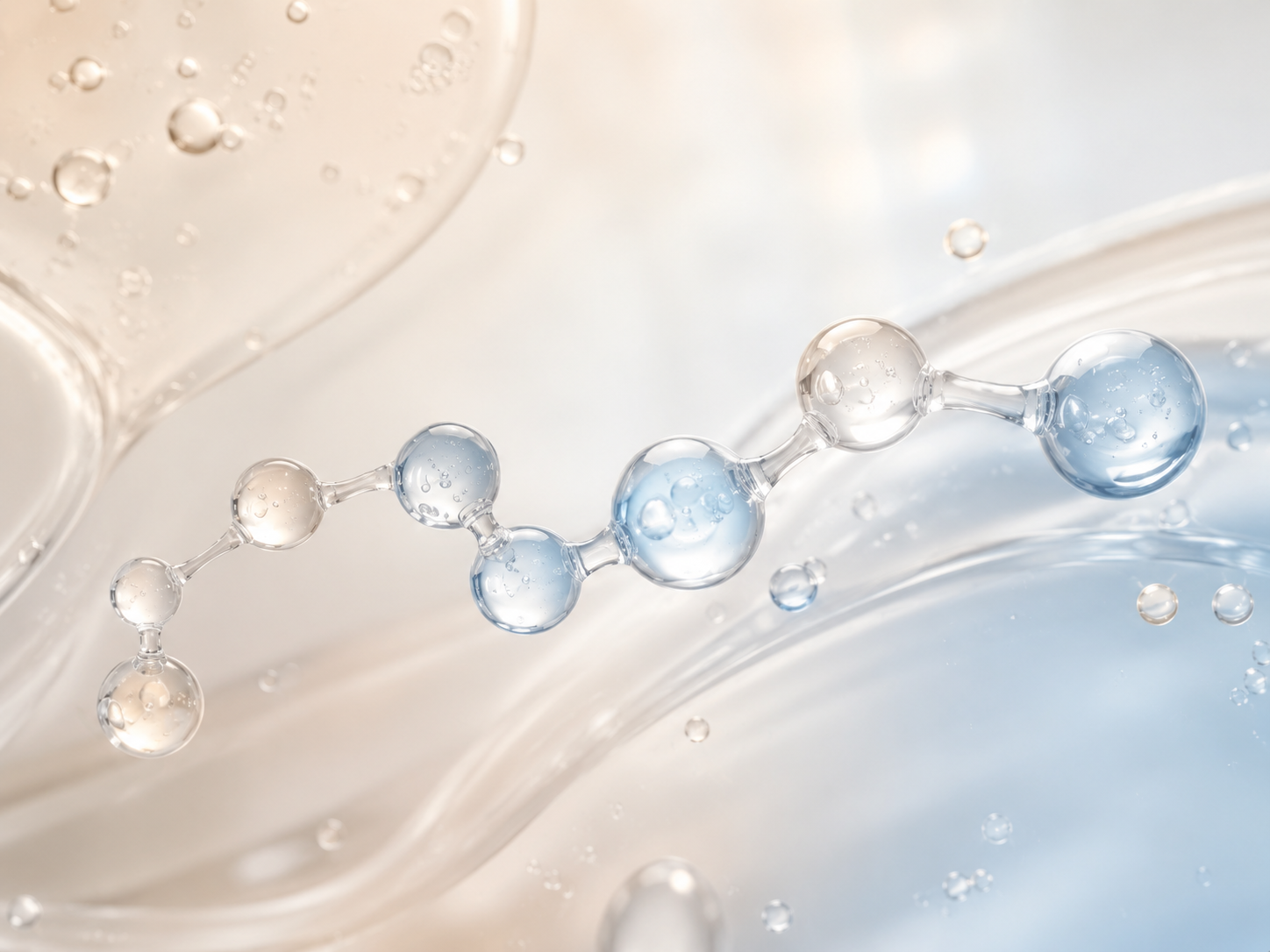
Peptides are short chains of amino acids used in skincare products to support the look and feel of healthier skin. Amino acids are building blocks involved in many skin-related structures, which is why this ingredient category is often connected to firmness, smoothness, and barrier support.
In skincare, peptides are usually found in serums, moisturizers, eye creams, and treatment products. They are often marketed for mature skin, fine lines, loss of firmness, and skin that needs support without aggressive exfoliation.
Peptides are not the same as retinoids. Retinoids have stronger research behind them for visible signs of aging, but they can also be irritating. This ingredient category is usually gentler and more supportive, which makes it appealing for people who want a softer approach.
There are different types used in skincare. Some formulas focus on smoothing, some focus on barrier support, and some combine them with hydrating ingredients, antioxidants, or moisturizers. The exact formula matters more than the word on the front of the bottle.
Peptides Benefits for Skin
Peptides are most often used for skin that looks tired, less firm, dry, or less smooth than it used to. They do not work like a peel, and they should not be expected to erase deep wrinkles overnight. Their value is more gradual and supportive.
Smoother-Looking Skin
They can help support a routine aimed at a softer, smoother-looking skin surface.
Firmness Support
Many formulas use this ingredient category in products designed for firmer-looking skin over time.
Barrier-Friendly Care
They often work well in routines that need support without harsh peeling or frequent irritation.
Easy Layering
They usually pair well with moisturizers, hydration ingredients, and many gentle barrier-support steps.
The biggest benefit is that they can fit into a realistic routine. If your skin cannot tolerate strong actives every night, supportive ingredients can help your routine feel more balanced and sustainable.
Peptides for Firm, Smooth, Healthy-Looking Skin
Peptides make the most sense when your goal is long-term skin quality. They are not a quick peel, a harsh acne treatment, or a dramatic overnight tightening product. They are usually chosen when the skin needs support, softness, and a smoother-looking finish.
For firm-looking skin, the most important thing to understand is that skincare has limits. A serum cannot physically lift the face like a procedure. But supportive formulas can help the skin look better cared for, especially when they are used with moisturizer and sunscreen.
For smooth-looking skin, this ingredient category can fit well into routines that also include hydration and barrier support. Dryness and a stressed barrier can make fine lines and texture look more noticeable, so comfort-focused care matters.
Peptides can be a good choice when your skin feels too sensitive for constant exfoliation or frequent retinoid use. They give the routine something supportive to do on recovery nights instead of making every night an active treatment night.
Who Should Use Peptides?
Peptides may be a good option for people who want smoother-looking skin, softer-looking fine lines, a firmer-looking appearance, or a more supportive routine without relying only on strong actives. They can be useful for mature skin, dry skin, sensitive-leaning skin, and barrier-stressed skin.
Mature skin may like this ingredient category because it is often used in formulas made for firmness and texture support. Dry skin may benefit when the formula also includes glycerin, ceramides, panthenol, or squalane. Sensitive skin may appreciate that many products are less aggressive than acids or retinoids.
Oily skin can use them too, but texture matters. A lightweight serum may work better than a rich cream if your skin gets shiny or congested easily. Combination skin may use them all over or only in areas where fine lines and dryness are more noticeable.
If your skin is already irritated, start with barrier support first. Peptides can be part of a calm routine, but they should not be added on top of a routine that is burning, peeling, or overloaded with strong treatments.
Simple rule: Peptides are supportive, not magic. They work best when the routine also includes moisturizer, sunscreen, and realistic expectations.
How to Use Peptides in a Routine
Peptides are usually easy to add to a routine. If they are in a serum, apply the serum after cleansing and before moisturizer. If they are in a moisturizer or eye cream, use that product in its normal place in the routine.
A simple morning routine could be gentle cleanser, peptide serum, moisturizer, and sunscreen. A simple night routine could be cleanser, peptide serum, and moisturizer. You do not need to use several peptide products at the same time.
Sunscreen matters because no firming or smoothing routine can do its best if daily sun exposure keeps stressing the skin. If your goal is healthier-looking skin over time, sunscreen is one of the most important steps.
Peptides can also fit nicely into a routine on nights when you are not using retinol, exfoliating acids, or acne treatments. That keeps the routine active enough to feel useful but gentle enough to avoid constant irritation.
Cleanser, serum, moisturizer, sunscreen
This is a simple option if your product layers well under sunscreen and makeup.
Cleanser, serum, moisturizer
This works well if you prefer using treatment-style products while your skin rests overnight.
Use support instead of more actives
On nights when you skip retinoids or exfoliating acids, supportive ingredients can help keep the routine steady.
Can You Pair Peptides With Other Ingredients?
Peptides pair well with many hydrating and barrier-support ingredients. They work nicely with glycerin, hyaluronic acid, ceramides, panthenol, niacinamide, squalane, centella asiatica, and colloidal oatmeal.
They can also fit into routines that include retinoids, vitamin C, azelaic acid, or exfoliating acids, but the total routine should still be comfortable. If your skin becomes irritated, simplify before adding more products.
Some people prefer using them on nights they are not using stronger active ingredients. This can make the routine feel more balanced. For example, retinoid nights can be used for stronger age-support treatment, while peptide nights can be used for moisture and support.
When layering, apply products from thinnest to thickest unless the product directions say otherwise. A lightweight serum usually goes before moisturizer. A peptide moisturizer simply replaces your moisturizer step.
Peptides vs Retinol
Peptides and retinol are often mentioned together, but they do not do the same thing. Retinol is a retinoid that can help with visible aging concerns, texture, and skin renewal, but it can also be drying or irritating if used too aggressively.
Peptides are usually gentler and more supportive. They are often used in products that focus on firmness, smoothness, and healthier-looking skin without the same adjustment period that retinoids can require.
If your skin tolerates retinol well, you may still use supportive ingredients in the same overall routine. If your skin does not tolerate retinol well, supportive formulas may be a better place to start while you work on barrier health.
The best choice depends on your goals and tolerance. Retinoids are stronger. Supportive ingredients are usually easier. Many routines can use both, but they do not have to be layered together every night.
What Results Should You Expect?
Peptides should be viewed as gradual support, not an instant face-lift. A good formula may help skin look smoother, more comfortable, and more supported over time, but it will not erase deep wrinkles overnight.
Results depend on the formula, consistency, sunscreen use, and the rest of your routine. A peptide serum used with harsh cleansing and no sunscreen will not perform as well as one used in a steady, barrier-friendly routine.
It is also important to know that marketing can exaggerate. The word peptide sounds scientific, but the product still needs to be well-formulated. Look at the whole formula, not only one highlighted ingredient.
If your main concern is deep lines, sagging, or dramatic age-related changes, skincare can help the appearance of the skin but has limits. For deeper wrinkles, retinoids and professional treatments may be stronger options, depending on your goals.
Peptides FAQ
Are peptides good for beginners?
Yes, they can be beginner-friendly because they are usually supportive instead of harsh. A simple serum or moisturizer can be an easy way to try them.
Can peptides replace retinol?
No, they do not replace retinol. Retinoids are stronger for visible aging concerns, but supportive ingredients may be easier for sensitive skin to tolerate.
Can peptides be used every day?
Many formulas can be used daily, but always follow the product directions and reduce use if your skin becomes irritated.
Are peptides good for dry skin?
They can be helpful for dry skin when the formula also includes moisturizing ingredients like glycerin, ceramides, panthenol, or squalane.
Common Mistakes to Avoid
The first mistake is expecting peptides to work like a cosmetic procedure. They can support the look of the skin, but they cannot physically lift skin or erase deep lines the way marketing sometimes implies.
The second mistake is using too many treatment products at once. A peptide serum, retinoid, vitamin C, exfoliating acid, and several other actives can make the routine too complicated and irritating.
The third mistake is skipping sunscreen. If your goal is firm, smooth, healthy-looking skin, daily sun protection matters. No supportive serum can outwork constant UV damage.
The fourth mistake is choosing products only by trend. A simple moisturizer with supportive ingredients may help your skin more than a complicated serum that irritates you.
- Do not expect instant lifting or wrinkle erasing.
- Do not skip moisturizer if your skin feels dry.
- Do not forget sunscreen in an age-support routine.
- Do not overload your routine with too many actives.
- Do not ignore texture and formula comfort.
When Should You Be Careful?
Peptides are usually considered gentle, but every formula is different. If a product causes burning, itching, swelling, breakouts, or rash-like irritation, stop using it and simplify your routine.
Be cautious if the formula also contains strong actives, fragrance, essential oils, or exfoliating ingredients. Sometimes people blame the highlighted ingredient when the real issue is the full product formula.
If you have persistent irritation, severe acne, painful rashes, or sudden skin changes, professional guidance matters. For general skin care basics, the American Academy of Dermatology has helpful information at AAD skin care basics.
Final Thoughts on Peptides
Peptides can be a helpful ingredient category for people who want smoother, firmer-looking, healthier-looking skin without relying only on strong actives. They are supportive, flexible, and usually easy to fit into a routine.
The best way to use them is consistently in a formula your skin likes. Pair them with moisturizer, sunscreen, and barrier support. If your routine already includes retinoids or exfoliating acids, use supportive products to keep your skin comfortable.
For realistic skincare, peptides are not magic, but they can be valuable. They work best as part of a steady routine that respects the skin barrier and focuses on long-term skin quality.
When your routine needs support instead of more irritation, peptides can be a gentle ingredient to keep in mind. They fit best in routines built around consistency, sunscreen, moisture, and healthy-looking skin over time.