
Squalane is a lightweight moisturizing ingredient that can help skin feel softer, smoother, and more comfortable without the heavy feel many people expect from facial oils.
Squalane – Benefits, Uses, and How to Use It
This guide explains what it does, who may benefit from it, how to use it in a simple routine, and why it can work for dry, oily, combination, and sensitive skin.
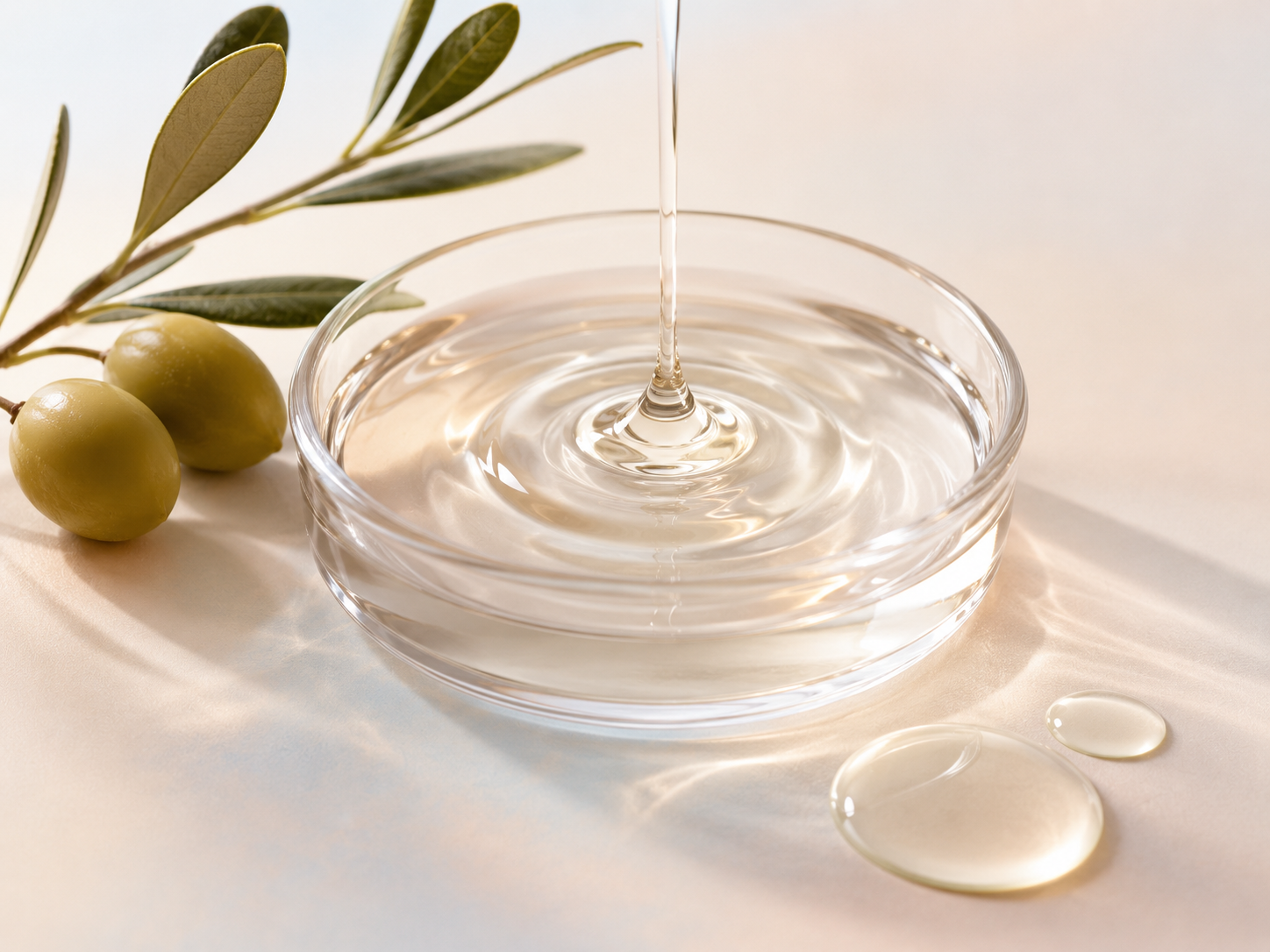
What Is Squalane?
Squalane is a moisturizing skincare ingredient often used to soften the skin, reduce the feeling of dryness, and support a smoother-looking barrier. It is commonly found in facial oils, moisturizers, serums, and barrier-support products. Even though it may look like an oil, it usually feels lighter than many traditional oils.
This ingredient is popular because it can help skin feel comfortable without leaving a thick or greasy layer. That makes it useful for people who want moisture support but do not want their face to feel coated. It can be especially helpful when skin feels dry, tight, rough, or easily irritated.
Squalane is not an exfoliant, retinoid, acne treatment, or brightening acid. It is more of a support ingredient. It helps the skin feel moisturized and comfortable while the rest of the routine does its job. For many people, that kind of support is exactly what the skin needs.
Squalane Benefits for Skin
Squalane is best known for lightweight moisture and skin comfort. It can be helpful when your skin feels dry but you do not want a heavy cream, or when your skin barrier feels stressed and needs a softer, more supportive routine.
Lightweight Moisture
It can help soften the skin without the thick feel that some rich creams and oils leave behind.
Barrier Comfort
When skin feels tight or rough, a moisturizing support ingredient can help the routine feel more comfortable.
Dry Patch Support
It can be used over moisturizer or mixed into a routine to help dry areas feel smoother.
Flexible Routine Use
Because it is simple and moisturizing, it can fit into morning or night routines for many skin types.
Who Should Use Squalane?
Squalane can be a good option for dry skin, combination skin, sensitive-leaning skin, and even some oily skin types. The reason it works for different skin types is that it provides moisture support without always feeling heavy.
Dry skin may appreciate it because it can make the skin feel softer and more comfortable. Combination skin may use it only on drier areas, such as the cheeks or around the mouth. Oily skin may prefer using a very small amount, especially at night or during colder weather.
It may also be helpful when the skin barrier feels irritated from over-cleansing, over-exfoliating, or using too many active ingredients. In that situation, the goal is not to add more aggressive treatments. The goal is to make the routine calmer, more moisturizing, and easier for the skin to tolerate.
Simple rule: If your skin feels tight, flaky, or uncomfortable, squalane can be a gentle support step instead of adding another strong active.
How to Use Squalane in a Routine
Squalane is usually used after water-based products and after moisturizer, or it may be included inside a moisturizer already. If you are using it as a facial oil, a few drops are usually enough. More is not always better, especially if your skin gets shiny easily.
A simple night routine could be cleanser, hydrating serum if you use one, moisturizer, then a small amount of the oil step. For dry skin, this can help seal in a more comfortable feel. For combination skin, you may only need it on areas that feel dry.
In the morning, keep the routine lighter if you plan to wear sunscreen or makeup. Some people love using it under sunscreen, while others feel it makes their morning routine too shiny. The right answer depends on your skin type and the texture of the product.
- Use a few drops after moisturizer if it is in oil form.
- Apply only to dry areas if your skin is combination or oily.
- Use less in the morning if sunscreen or makeup pills over it.
- Do not replace sunscreen with any moisturizing oil.
Can You Pair Squalane With Other Ingredients?
Squalane is easy to pair with many skincare ingredients because it is mainly used for moisture and comfort. It can work well with hyaluronic acid, glycerin, panthenol, ceramides, niacinamide, centella asiatica, and colloidal oatmeal. These combinations can be helpful for a barrier-focused routine.
It can also be used in routines with active ingredients like retinol, azelaic acid, salicylic acid, or vitamin C. In those cases, it may help the routine feel more comfortable, but it does not cancel out irritation if you are overusing strong actives.
If your skin is peeling or burning from a treatment, do not just add more moisturizing steps and keep going. Pause the aggressive products, simplify the routine, and let your skin settle. Support ingredients work best when the routine is not constantly overwhelming the barrier.
Is Squalane Good for Oily Skin?
Squalane can work for oily skin, but the amount matters. Oily skin does not always need a facial oil step every day. However, some oily skin types become more uncomfortable when the routine is too stripping. In that case, a very light moisturizing ingredient can help the skin feel less stressed.
If your skin gets shiny quickly, start with one small drop or use a moisturizer that already contains the ingredient instead of using a separate oil. Apply it at night first and see how your skin feels the next morning.
For acne-prone skin, patch testing is smart. No ingredient is guaranteed to work for everyone. If a product makes your skin feel congested or causes breakouts that continue, stop using it and look at the full formula, not just the ingredient name.
Common Mistakes to Avoid
The biggest mistake is using too much. Because squalane can feel light, it is easy to apply more than the skin needs. A few drops can be enough for the whole face, and some people only need it on dry patches.
Another mistake is treating it like a cure for every barrier problem. It can help skin feel more moisturized, but it cannot fix a harsh cleanser, skipped sunscreen, constant exfoliation, or a routine that is too aggressive. The whole routine has to make sense.
It is also important not to confuse moisture support with hydration. Hydrating ingredients help bring water into the surface layers of the skin, while moisturizing and oil-like ingredients help soften and support comfort. Many routines need both, especially when skin is dry or dehydrated.
- Do not use too much if your skin gets shiny easily.
- Do not apply it before water-based serums if the product is oil-like.
- Do not use it instead of sunscreen.
- Do not ignore irritation from other active ingredients.
When Should You Be Careful?
Squalane is usually considered a gentle ingredient, but every product formula is different. If a product includes fragrance, essential oils, heavy butters, or other ingredients your skin dislikes, your skin may react even if the main moisturizing ingredient is not the problem.
If you are acne-prone, introduce it slowly. Use a small amount and watch your skin for changes. If you notice clogged-looking bumps or more breakouts, the texture or full formula may not be a match for you.
If your skin is severely irritated, painful, swollen, or rash-like, keep the routine very basic and consider getting medical guidance. For general skin care basics, the American Academy of Dermatology has helpful beginner information at AAD skin care basics.
Final Thoughts on Squalane
Squalane is a useful ingredient for people who want lightweight moisture, softer skin, and a more comfortable routine. It is not flashy, but that is part of why it can be helpful. Sometimes the skin does not need another strong treatment. It needs support.
The best way to use it is to start with a small amount and place it near the end of your routine. Dry skin may enjoy it more often. Combination or oily skin may prefer using it only when needed.
If your goal is a calmer, healthier-looking barrier, squalane can be a strong support ingredient. Keep the routine simple, avoid overdoing actives, and let moisturizing steps do their job without turning the routine into a heavy layer of products.