
Zinc PCA is a skincare ingredient often used in oily, shiny, acne-prone, or congestion-prone routines because it can help support a more balanced-looking complexion.
Zinc PCA – Benefits for Oily, Acne-Prone Skin
This guide explains what it does, who may benefit from it, how to use it in a simple routine, and why it should still be paired with moisturizer instead of drying your skin out.
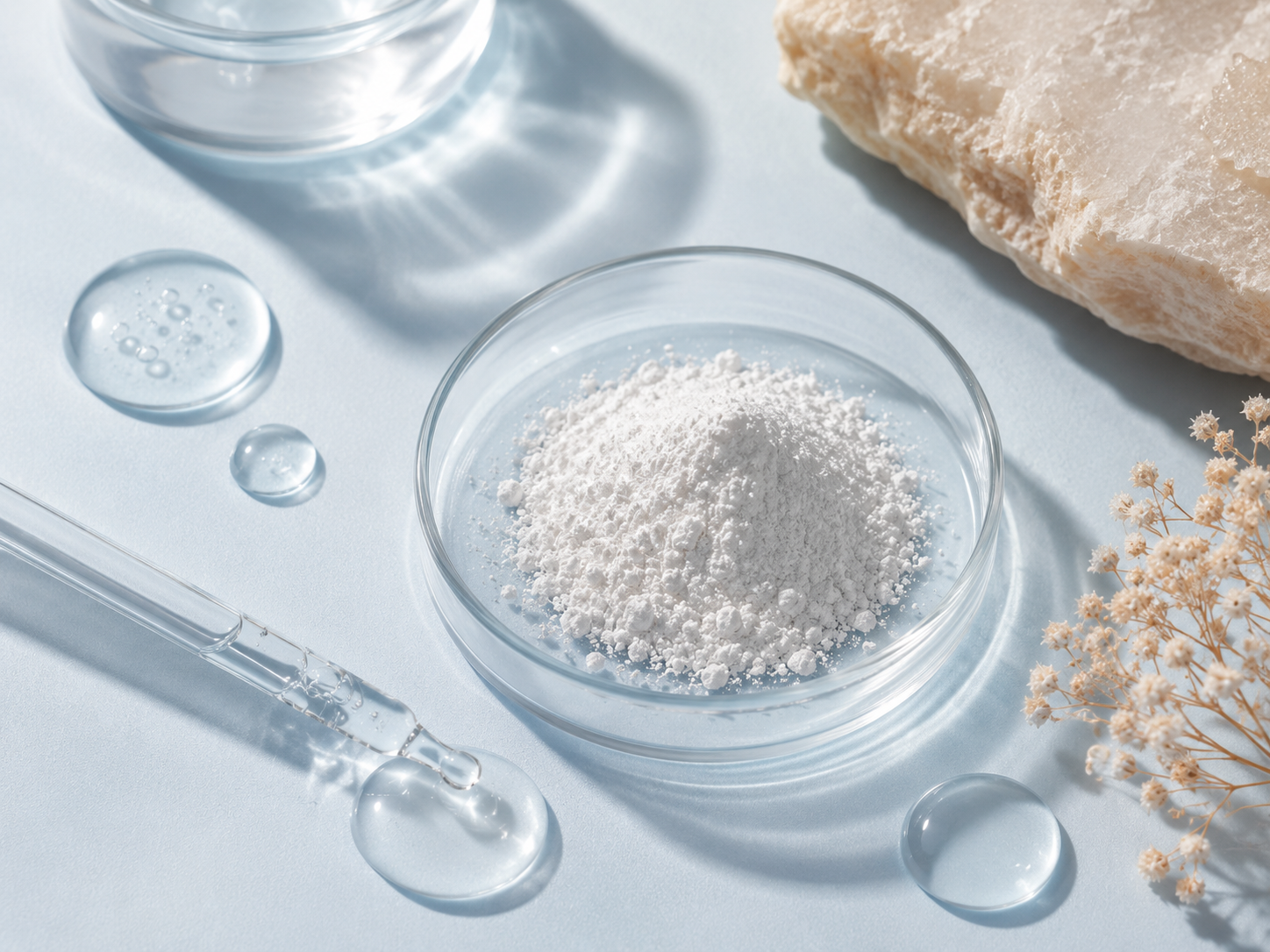
What Is Zinc PCA?
Zinc PCA is a skincare ingredient made from zinc and PCA, a component related to the skin’s natural moisturizing factors. In skincare, it is usually used in formulas for oily skin, acne-prone skin, visible shine, and skin that looks easily congested.
Zinc is often connected to oil balance and blemish-focused routines, while PCA helps make the ingredient more skin-friendly in cosmetic formulas. Together, the ingredient is often found in lightweight serums, toners, moisturizers, and treatment products made for oily or combination skin.
Zinc PCA is not the same as a harsh acne medication. It is usually a support ingredient, not a dramatic overnight treatment. That makes it helpful for people who want a routine that addresses oiliness without completely stripping the face.
The goal is balance. Oily skin does not need to be punished. When a routine is too drying, the skin can become tight, irritated, shiny, and uncomfortable at the same time. A balanced routine can support clearer-looking skin while still respecting the barrier.
Zinc PCA Benefits for Skin
Zinc PCA is mainly used in routines for oiliness, breakouts, and shine control. It is not a moisturizer by itself and not a replacement for acne treatment when acne is severe, but it can be a useful support ingredient for oily or combination skin.
Oil Balance Support
It is often used in products that help oily skin look more balanced and less shiny.
Acne-Prone Routine Support
It may fit well into routines for skin that breaks out easily or looks congested.
Lightweight Feel
Many formulas with this ingredient are designed to feel light instead of greasy or heavy.
Combination Skin Help
It can be useful when the T-zone gets oily but the cheeks still need gentle support.
The biggest benefit is that it can support oily skin without turning the routine into a drying, aggressive acne plan. That makes it useful for people who want to manage shine while keeping the skin barrier comfortable.
Zinc PCA for Oily and Acne-Prone Skin
Zinc PCA is often chosen by people with oily skin because it fits into routines focused on shine, visible pores, and breakouts. It can be especially helpful when a person wants something lighter than a heavy cream but less aggressive than constant acne treatment.
Oily skin can still be dehydrated. That is one of the most important things to understand. If you use harsh cleansers, skip moisturizer, or overuse exfoliating acids, your skin may look shiny but feel tight. That is not healthy balance.
Zinc PCA works best when the rest of the routine is gentle and consistent. A good oily-skin routine usually includes a non-stripping cleanser, lightweight hydration, moisturizer when needed, sunscreen, and carefully chosen treatment products.
If your breakouts are inflamed, painful, or persistent, this ingredient alone may not be enough. It can support the routine, but acne sometimes needs ingredients like salicylic acid, benzoyl peroxide, azelaic acid, retinoids, or professional care.
Who Should Use Zinc PCA?
Zinc PCA may be a good option for oily skin, combination skin, acne-prone skin, and people who feel like their face gets shiny quickly after washing. It may also be useful for people whose pores look more noticeable when oil builds up during the day.
Combination skin may prefer using it in a lightweight serum or toner, especially in the T-zone. Oily skin may use it all over if the product feels comfortable. Dry skin usually does not need it as a main ingredient unless the formula is balanced with enough hydration and moisture.
Sensitive skin should still be careful. The ingredient itself may be gentle in many formulas, but the full product can still include acids, fragrance, drying alcohols, or other ingredients that may irritate reactive skin.
If your skin is oily but irritated, start by repairing the routine. You may need a gentler cleanser, better moisturizer, or fewer active products before adding another oil-focused step.
Simple rule: Zinc PCA can support oily skin, but oily skin still needs a healthy barrier, not constant stripping.
How to Use Zinc PCA in a Routine
Zinc PCA is usually found in lightweight products like serums, toners, gels, and moisturizers. If it is in a serum, apply it after cleansing and before moisturizer. If it is in a moisturizer, use it as your moisturizing step.
A simple morning routine could be gentle cleanser, lightweight serum, moisturizer if needed, and sunscreen. A simple night routine could be cleanser, serum, and moisturizer. If you are also using acne treatments, avoid adding too many new products at once.
You do not need multiple products with the same ingredient. One well-formulated product is usually enough. If your skin gets dry, tight, or irritated, reduce active steps and focus on barrier support.
Use a gentle cleanser
Choose a cleanser that removes oil without leaving your face feeling squeaky or stripped.
Apply a lightweight treatment
Use a zinc pca serum, toner, or gel where it fits in your routine.
Moisturize appropriately
Use a lightweight moisturizer if your skin feels dry, tight, or dehydrated.
Protect with sunscreen
Sunscreen matters for every skin type, including oily and acne-prone skin.
Can You Pair Zinc PCA With Other Ingredients?
Zinc PCA pairs well with many ingredients used in oily and acne-prone routines. It can work with niacinamide, salicylic acid, azelaic acid, hyaluronic acid, glycerin, panthenol, centella asiatica, and lightweight ceramides.
It can also appear in formulas with exfoliating acids or acne-focused ingredients, but you still need to watch the full routine. If you are using salicylic acid, benzoyl peroxide, retinoids, and multiple mattifying products, your skin may become irritated fast.
A balanced routine might use one oil-support serum, one acne treatment if needed, a lightweight moisturizer, and sunscreen. More products do not always mean better skin. Sometimes they just make it harder to know what is helping.
Zinc PCA vs Niacinamide
Zinc PCA and niacinamide are both popular in oily-skin routines, but they are not exactly the same. Niacinamide is a broader support ingredient that can help with oil balance, pores, redness, barrier support, and uneven tone.
Zinc PCA is more focused on oily, shiny, and blemish-prone routines. It may be especially useful when oil control is one of the main concerns. Many products combine the two because they can complement each other.
If you already use niacinamide and your skin is doing well, you may not need another oil-focused ingredient. If shine and congestion are still a problem, a product with this ingredient may be worth considering.
The best choice depends on your skin. If you are sensitive or easily irritated, introduce one product at a time. If you add both at once and your skin reacts, you will not know which product caused the problem.
Zinc PCA FAQ
Is zinc pca good for acne?
It can support acne-prone routines, especially when oiliness and shine are part of the concern. For persistent or inflamed acne, it may need to be paired with proven acne treatments or professional guidance.
Can dry skin use it?
Dry skin usually does not need it as a main ingredient unless the product is gentle and balanced with hydration. Dry, irritated skin may need barrier support first.
Can it be used with niacinamide?
Yes, many routines and formulas use both. They can work well together when the full routine is not too drying or complicated.
Is it the same as zinc oxide?
No. Zinc oxide is commonly used in mineral sunscreens and skin protectant products. Zinc PCA is a different skincare ingredient often used for oily and blemish-prone routines.
Common Mistakes to Avoid
The first mistake is trying to dry oily skin into submission. Oily skin still needs comfort and barrier support. If you strip the skin too much, it can become tight, irritated, and shiny at the same time.
The second mistake is using too many oil-control products together. A mattifying cleanser, strong toner, drying serum, acne treatment, and no moisturizer can quickly push skin into barrier stress.
The third mistake is skipping sunscreen because sunscreen feels greasy. Oily skin still needs sunscreen. The solution is finding a lighter sunscreen texture, not skipping protection entirely.
The fourth mistake is expecting one ingredient to clear all acne. Zinc PCA can support the routine, but acne can involve hormones, bacteria, oil, clogged pores, inflammation, and irritation. Sometimes a more targeted plan is needed.
- Do not skip moisturizer just because your skin is oily.
- Do not use several drying products at the same time.
- Do not add too many new ingredients in one week.
- Do not ignore irritation, tightness, or peeling.
- Do not expect shine control to replace acne treatment if acne is severe.
When Should You Be Careful?
Zinc PCA is often used in gentle and lightweight formulas, but every product can still irritate someone. If a product causes burning, rash-like irritation, swelling, or worsening breakouts, stop using it and simplify your routine.
Be cautious if the product also contains acids, strong acne treatments, fragrance, or drying alcohols. The highlighted ingredient may not be the problem. The full formula and the rest of your routine matter.
If you have painful acne, cystic breakouts, scarring, or acne that is not improving, a dermatologist can help you avoid wasting time with the wrong products. For general acne guidance, the American Academy of Dermatology has helpful information at AAD acne information.
Final Thoughts on Zinc PCA
Zinc PCA can be a helpful ingredient for oily, shiny, acne-prone, and combination skin routines. It is especially useful when the goal is balance rather than harsh drying.
The best way to use it is in a simple routine with a gentle cleanser, lightweight support product, moisturizer when needed, and sunscreen. If you also use acne treatments, introduce them carefully so your skin barrier does not become irritated.
For oily skin, zinc pca is worth knowing because it supports a more balanced-looking routine without treating oil like the enemy. Healthy oily skin still needs hydration, comfort, and protection.
If your skin feels shiny but tight, clogged but irritated, or oily but dehydrated, zinc pca may fit best as part of a calmer routine that supports oil balance without stripping the barrier.