What is acne is a common skincare question because breakouts can look different from person to person, and the right routine depends on whether you are dealing with clogged pores, inflamed bumps, irritation, hormones, oil, or barrier stress.
What Is Acne – Causes, Types, and Skincare Basics
Acne is not just “dirty skin,” and it is not something you should scrub away aggressively. This guide explains what acne is, why breakouts happen, common acne types, and how to build a calmer acne-support routine.
What Is Acne?
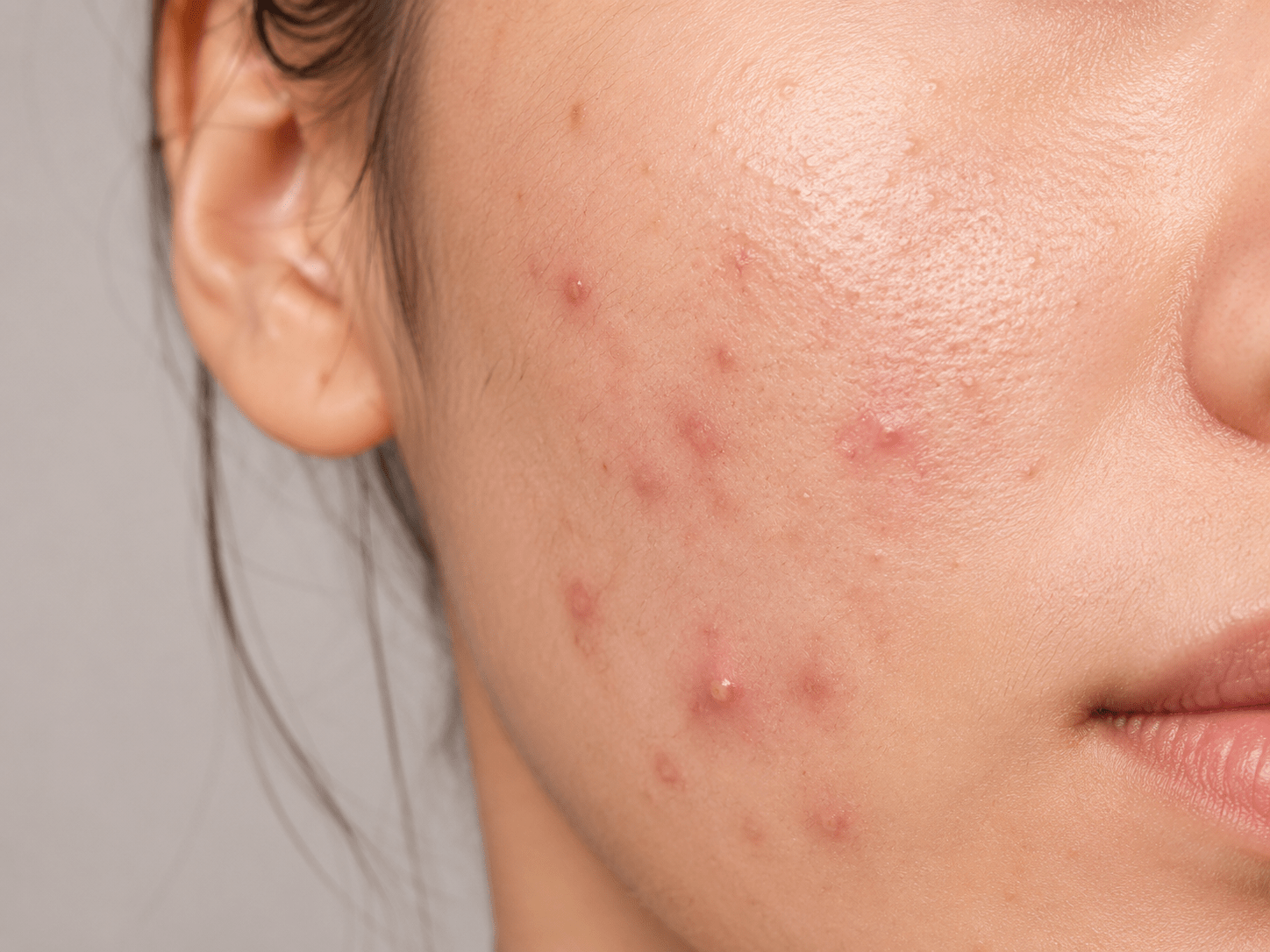
What is acne really asking? Acne is a common skin condition that happens when pores become clogged with oil, dead skin cells, and sometimes bacteria-related inflammation. It can show up as blackheads, whiteheads, papules, pustules, deeper painful bumps, or a mixture of several types.
Acne can happen on the face, chest, back, shoulders, jawline, neck, and other areas where oil glands are active. Some breakouts are mild and mostly clogged pores. Others are inflamed, painful, persistent, or likely to leave dark marks or scars.
The answer to what is acne is not “your face is dirty.” Acne is more complicated than that. Oil production, clogged pores, hormones, genetics, inflammation, skincare choices, makeup, hair products, stress, sweat, and certain medications can all play a role for different people.
Simple way to think about it: Acne is not a character flaw or a cleanliness problem. It is a skin condition that needs the right balance of gentle care, targeted ingredients, and sometimes professional treatment.
What Causes Acne?
To understand what is acne, it helps to understand what causes it. Acne often begins when a pore becomes clogged. Oil and dead skin cells can build up inside the pore, creating the right environment for different types of breakouts.
Hormones can also influence oil production, which is why acne may flare during puberty, menstrual cycles, pregnancy, perimenopause, stress, or other hormonal changes. This is also why some people get recurring breakouts along the jawline or chin.
Skincare can help, but the wrong routine can also make acne-prone skin more irritated. A harsh cleanser, too much exfoliation, skipping moisturizer, heavy pore-clogging products, or using too many treatments at once can make the skin barrier stressed. When the barrier is irritated, acne can become harder to manage.
Clogged pores
Oil and dead skin cells can collect inside pores, leading to blackheads, whiteheads, and bumps.
Oil production
More oil can increase the chance of clogged pores, especially when the routine does not cleanse well or feels too heavy.
Hormonal changes
Hormones can affect oil production and may trigger recurring breakouts, especially around the chin or jawline.
Irritation
A damaged barrier can make acne-prone skin feel more reactive, red, itchy, stingy, or inflamed.
Common Types of Acne
Another part of answering what is acne is learning the different breakout types. Not all acne looks the same, and not every bump needs the same kind of product. Some acne is mostly clogged pores. Some is inflamed. Some is deeper and more painful.
Blackheads are open clogged pores that look darker at the surface. Whiteheads are closed clogged pores that look like small bumps under the skin. Papules are inflamed bumps that may look red or tender. Pustules are bumps with visible pus. Nodules and cystic acne are deeper, more painful, and more likely to need professional treatment.
If you have deep, painful acne, acne that scars, or acne that is not improving with over-the-counter care, it is worth talking to a dermatologist. Waiting too long can increase the chance of marks, scarring, and frustration.
Acne type reminder
Clogged pores may respond differently than inflamed or cystic acne. The more painful, deep, or scarring the acne is, the more likely professional care may be needed.
What Is Acne-Prone Skin?
What is acne prone skin? Acne-prone skin is skin that tends to clog, break out, or react with bumps more easily. It may be oily, dry, combination, sensitive, or dehydrated. Acne-prone does not automatically mean oily.
This matters because a lot of acne advice is written as if everyone with acne needs harsh oil control. But dry and sensitive skin can break out too. If you treat every breakout with drying products, you can create peeling, burning, and barrier damage without actually solving the acne problem.
Acne-prone skin usually needs a routine that cleanses well without stripping, moisturizes without feeling heavy, protects with sunscreen, and uses targeted acne ingredients carefully. The goal is not to punish the skin. The goal is to support it while addressing clogged pores and inflammation.
Skincare Ingredients Often Used for Acne
When people ask what is acne, they usually also want to know what ingredients help. The most common over-the-counter acne-related ingredients include salicylic acid, benzoyl peroxide, adapalene, azelaic acid, and sometimes niacinamide for support.
Salicylic acid is often used for clogged pores and oily skin because it can help exfoliate inside the pore. Benzoyl peroxide is often used for inflammatory acne, but it can be drying or irritating. Adapalene is an over-the-counter retinoid in some countries and may help with clogged pores and breakouts. Azelaic acid can be useful for acne-prone skin and post-breakout marks for some people.
These ingredients can be helpful, but they should not all be started at once. If you begin several acne treatments in the same week, your skin may become dry, itchy, red, and irritated. A damaged barrier can make acne-prone skin harder to manage.
Salicylic acid
Often used for clogged pores, oily skin, blackheads, and texture-prone breakouts.
Benzoyl peroxide
Often used for inflammatory acne, but it can be drying and should be introduced carefully.
Retinoids
Retinoids can support acne routines, texture, and clogged pores, but they need slow introduction.
Azelaic acid
Azelaic acid may support acne-prone routines and uneven tone, depending on the product and strength.
How to Build a Beginner Acne Routine
The best beginner routine after learning what is acne is usually simple. Start with a gentle cleanser, a moisturizer that matches your skin type, sunscreen every morning, and one acne-focused product if needed.
Morning can be gentle cleanser, lightweight moisturizer, and sunscreen. If your skin tolerates it, you may use a treatment step recommended for your acne type. Night can be cleanser, one acne treatment, and moisturizer. Do not use every acne ingredient at the same time.
If your skin is already irritated, peeling, burning, or itching, pause and repair the barrier before adding more treatment products. Acne routines work better when the skin can tolerate them.
Beginner acne routine idea
Cleanse gently, treat carefully, moisturize consistently, and use sunscreen every morning. Then adjust based on how your skin responds.
What Makes Acne Worse?
Once you understand what is acne, it is easier to see what can make it worse. Over-scrubbing, picking, using too many actives, skipping moisturizer, sleeping in makeup, using heavy products that do not suit your skin, and not cleansing off sunscreen can all contribute to problems.
Picking is especially important. Picking can increase irritation, swelling, scabbing, post-breakout marks, and scarring risk. It may feel satisfying in the moment, but it often makes the breakout last longer.
Hair products can also play a role, especially around the forehead, hairline, neck, shoulders, or back. Heavy oils, pomades, and styling products can transfer onto the skin and contribute to clogged pores for some people.
- Avoid scrubbing acne aggressively.
- Avoid starting too many acne treatments at once.
- Avoid picking or squeezing inflamed bumps.
- Avoid skipping moisturizer if your skin is dry or irritated.
- Avoid sleeping in makeup or sunscreen.
- Watch hair products if breakouts happen near the hairline or back.
Acne, Dark Spots, and Scarring
What is acne connected to after the breakout heals? For many people, the frustrating part is not only the pimple. It is the mark left behind. Post-breakout marks can look red, purple, brown, or darker than the surrounding skin.
Dark spots after acne are often worsened by sun exposure, which is why sunscreen matters. Even if your routine includes brightening products, skipping sunscreen can make uneven tone harder to improve.
True acne scarring is different from temporary discoloration. Indented scars, raised scars, and deeper texture changes may need professional treatments. Over-the-counter skincare can support the skin, but it cannot always fully correct scarring.
When Acne Needs Professional Help
Learning what is acne is helpful, but some acne needs more than a skincare routine. If acne is painful, deep, cystic, spreading, scarring, or causing emotional distress, it is reasonable to get help from a dermatologist or healthcare professional.
Professional acne care may include prescription topical products, oral medications, hormone-related treatment options, or other approaches depending on the person. The right plan depends on acne type, skin type, medical history, pregnancy status, and how the skin responds.
You do not have to wait until acne is severe to ask for help. If over-the-counter care is not working after consistent use, or if your skin is getting worse, professional guidance can save time and reduce the risk of marks or scars.
Do not ignore: Deep painful bumps, acne that scars, sudden severe acne, or acne with signs of infection should be checked instead of treated only with random products.
FAQ About What Is Acne
What is acne caused by?
What is acne caused by? Acne is commonly linked to clogged pores, oil, dead skin cells, inflammation, hormones, genetics, and sometimes routine or product choices that make the skin more irritated.
Is acne only for oily skin?
No. Oily skin can be acne-prone, but dry, combination, sensitive, and dehydrated skin can break out too. That is why acne routines should match both acne type and skin type.
Should acne-prone skin still use moisturizer?
Yes. Acne-prone skin still needs barrier support. The key is choosing a moisturizer texture that fits your skin type without feeling too heavy or irritating.
Final Thoughts on What Is Acne
What is acne comes down to clogged pores, oil, inflammation, and skin behavior that can be influenced by hormones, genetics, routine choices, and product tolerance. It is common, but that does not mean it should be ignored or attacked with harsh skincare.
A good acne routine should be targeted but not punishing. Cleanse gently, moisturize consistently, protect with sunscreen, and introduce acne ingredients slowly. If your skin gets irritated, your barrier may need support before you add more treatments.
If you are still asking what is acne because your breakouts are painful, persistent, scarring, or not improving, it may be time to get professional help. Skincare can support acne-prone skin, but some acne needs medical treatment to truly improve.
This page is for general skincare education only. It is not medical advice. If acne is painful, cystic, scarring, sudden, severe, infected-looking, or emotionally distressing, contact a qualified medical professional.