
Beginner skincare routine help should feel simple, not overwhelming. You do not need a shelf full of products to start taking better care of your skin.
Beginner Skincare Routine – Simple Steps for Healthy Skin
A beginner skincare routine should focus on the basics first: cleanse gently, moisturize well, protect your skin with sunscreen, and add active ingredients slowly. Many people make skincare harder than it needs to be because they start with too many serums, acids, exfoliants, and trending products at the same time.
This guide keeps the steps calm and realistic. Once your skin is comfortable with the basics, you can slowly add ingredients like hyaluronic acid, retinol, niacinamide, or exfoliating acids based on your skin goals.
Beginner Skincare Routine Basics
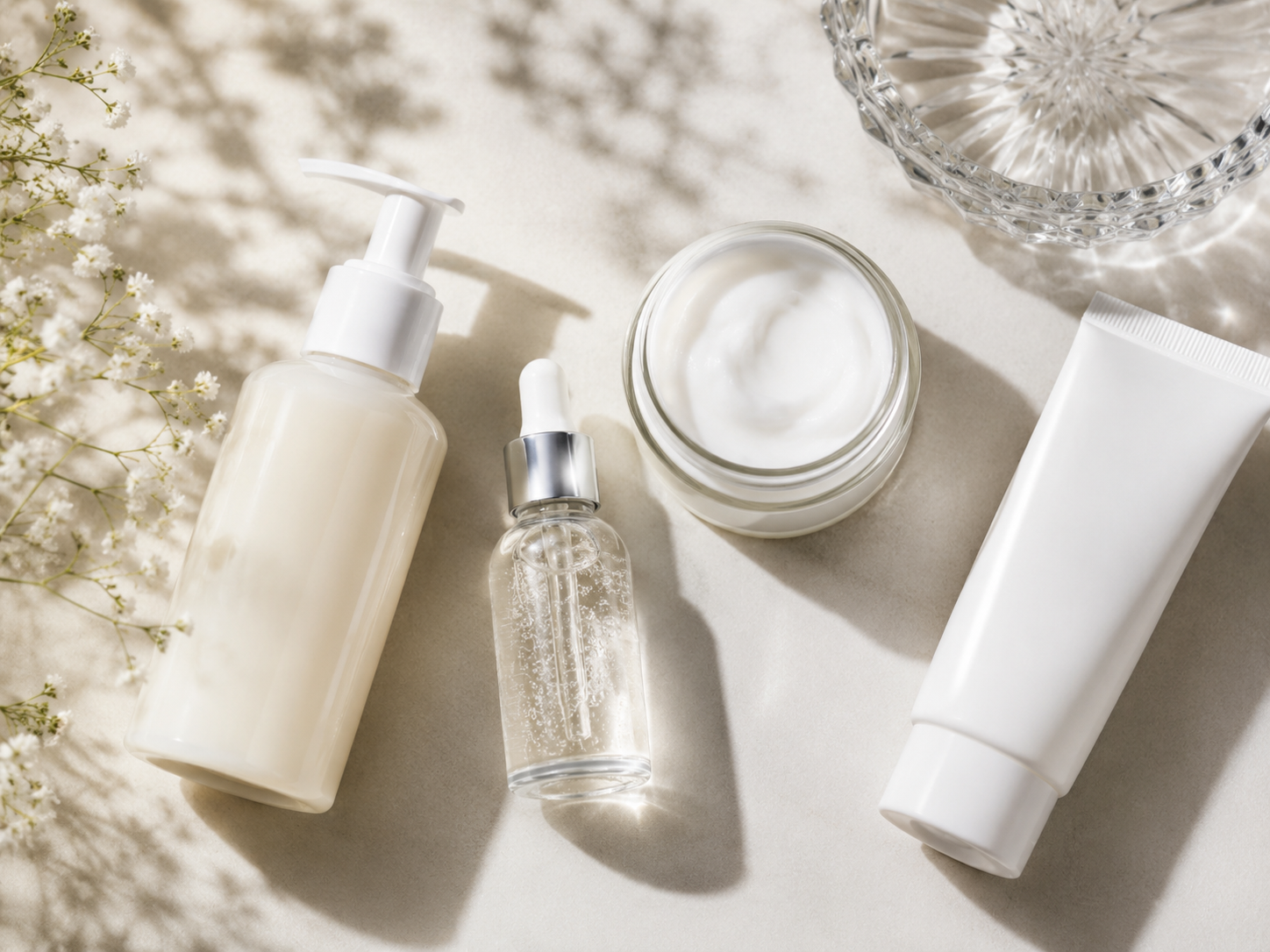
The best beginner skincare routine is not the most complicated one. It is the routine you can actually follow every day without irritating your skin or confusing yourself. Before worrying about advanced ingredients, start with the foundation: cleanser, moisturizer, and sunscreen.
These three steps help clean the skin, support the skin barrier, and protect your skin from daily UV exposure. Once those steps feel normal, you can add one treatment product at a time. That might be a hydrating serum, a brightening ingredient, a gentle exfoliant, or a retinoid.
If you do not know your skin type yet, use the How to Identify Your Skin Type simple test first. Skin type matters because oily skin, dry skin, combination skin, and sensitive skin often need different product textures.
Cleanse
Use a gentle cleanser that does not leave your face tight, squeaky, or stripped.
Moisturize
A good moisturizer supports your barrier and helps skin feel more comfortable.
Protect
Sunscreen is the step that protects your skin and helps preserve skincare results.
Beginner Skincare Routine Steps
This beginner skincare routine keeps the order easy. You can use fewer steps if your skin is sensitive or if you are just getting started. A routine does not have to be perfect to be helpful.
Gentle Cleanser
Start with a gentle cleanser that removes oil, sweat, sunscreen, and makeup without leaving your skin dry or irritated. If your skin feels tight after cleansing, the cleanser may be too harsh for your skin barrier.
Dry skin often does better with creamy or hydrating cleansers. Oily skin may prefer a gel cleanser, but it should still feel gentle. If you wear makeup or heavy sunscreen, you may need a cleansing balm or oil cleanser first, followed by a gentle second cleanse.
Hydrating Serum Optional
A hydrating serum is optional, but it can help if your skin feels dehydrated, tight, or dull. Ingredients like hyaluronic acid, glycerin, panthenol, and beta-glucan are common hydration helpers.
You do not have to use a serum when you are brand new. If your cleanser and moisturizer are working well, that may be enough. Add a serum only if your skin needs the extra support.
Moisturizer
Moisturizer is one of the most important parts of a beginner skincare routine. It helps reduce dryness, supports the skin barrier, and makes many active ingredients easier to tolerate later.
If your skin is oily, choose a lightweight gel-cream or lotion. If your skin is dry, choose a richer cream. If your skin is sensitive or easily irritated, look for simple formulas with barrier-supporting ingredients and fewer fragrance-heavy extras.
Sunscreen Every Morning
Sunscreen belongs in every morning routine. It helps protect the skin from UV damage, supports dark spot prevention, and matters even more if you use retinol, exfoliating acids, or brightening ingredients.
The best sunscreen is the one you will actually wear. Choose a texture that works for your skin type and apply it generously. If you are outside, sweating, or near windows for long periods, reapplication matters.
Simple Morning and Night Routine
A beginner skincare routine is easier when you separate morning and night steps. Morning is mostly about protection. Night is mostly about cleansing, moisturizing, and using treatment products when your skin is ready.
Morning Beginner Routine
- Gentle cleanse or water rinse
- Hydrating serum if needed
- Moisturizer
- Sunscreen
This routine keeps the morning simple and protective. If you later add vitamin C or niacinamide, the morning can be a good place for those ingredients.
Night Beginner Routine
- Cleanser
- Hydrating serum if needed
- Moisturizer
- Optional treatment on selected nights
Night is usually the easier time to add treatments like retinol or exfoliating acids, but beginners should not start everything at once.
When to Add Active Ingredients
After your beginner skincare routine feels comfortable for a few weeks, you can add one active ingredient based on your skin goal. Do not add retinol, vitamin C, acids, and multiple serums all at the same time. That makes it harder to know what is helping and what is causing irritation.
If Your Goal Is Hydration
Start with hydrating ingredients like hyaluronic acid, glycerin, panthenol, or a richer moisturizer. Hydration is usually the easiest first upgrade because it supports comfort without adding too much risk.
If Your Goal Is Texture
Learn the difference between AHA, BHA, and PHA before choosing an exfoliant. Exfoliating too often can make texture worse by irritating the skin barrier.
If Your Goal Is Aging Support
Retinol may be helpful, but it should be introduced slowly. Read the retinol guide before starting, especially if your skin is dry or sensitive.
If Your Goal Is Dark Spots
Sunscreen is still the first step. Brightening ingredients can help, but dark spots are harder to improve if the skin is not protected from UV exposure.
Before combining stronger products, check the ingredient compatibility guide. That page explains what usually works together and which combinations may need caution.
Beginner Skincare Routine Mistakes to Avoid
A beginner skincare routine can go wrong when the routine becomes too aggressive too quickly. Most beginners do not ruin their skin by using too few products. They usually irritate their skin by using too many.
Using Too Many New Products
Introduce one new product at a time. If you start five new products in one week and your skin reacts, you will not know which product caused the problem.
Skipping Sunscreen
Active ingredients work better when sunscreen is consistent. Without sunscreen, dark spots, redness, and sun damage can continue even if the rest of the routine is good.
Over-Exfoliating
Exfoliation should not be daily for most beginners. If your skin burns, stings, peels, or feels shiny and tight, pull back and focus on barrier repair.
Changing Everything Too Fast
Skincare takes time. A routine needs consistency before you can judge whether it is working. Give simple products time before adding stronger steps.
Why Barrier Repair Belongs in a Beginner Skincare Routine
Your skin barrier helps keep moisture in and irritants out. When the barrier is healthy, skincare products usually feel more comfortable. When the barrier is stressed, even gentle products can sting.
Barrier damage can happen from harsh cleansers, too much exfoliation, starting retinol too quickly, using too many actives, or skipping moisturizer. If your skin suddenly feels irritated, dry, rough, or reactive, simplify your routine before adding anything stronger.
A barrier-focused routine is not boring in a bad way. It is often exactly what the skin needs. Cleanser, moisturizer, and sunscreen may not sound exciting, but they create the foundation for every active ingredient you add later. Read the barrier repair guide if your skin feels irritated or overworked.
Helpful Skin Ingredient Lab Pages to Read Next
This beginner skincare routine page is a starting point. These related pages can help you choose ingredients, avoid irritation, and build a routine that fits your actual skin.
Ingredient Compatibility Guide
Learn which skincare ingredients work together and which combinations need caution.
Read the compatibility guideHow to Identify Your Skin Type
Use a simple skin type test before choosing cleansers, moisturizers, and treatments.
Find your skin typeHyaluronic Acid
Learn how this hydration ingredient works and when it fits into a routine.
Read the hyaluronic acid guideRetinol
Understand how to start retinol slowly without overwhelming your skin.
Read the retinol guideAHA, BHA, and PHA
Compare exfoliating acids before adding them to a beginner routine.
Read the acid guideDark Circles Under Eyes
Learn common causes and skincare options for under-eye darkness.
Read the dark circles guideFor a safe outside reference, Cleveland Clinic explains the correct skincare routine order, including cleanser, moisturizer, and sunscreen. Read more here: Cleveland Clinic skincare product order guide.
Beginner Skincare Routine FAQ
What is the best beginner skincare routine?
The best beginner skincare routine is cleanser, moisturizer, and sunscreen. Once those steps are consistent, you can add one treatment product based on your skin goal.
Do beginners need serum?
No. A serum can be helpful, but it is not required. Beginners should start with the basics first and add a serum only when they know what their skin needs.
Should I start retinol right away?
Not always. If your skin barrier is healthy and your routine is consistent, you can start retinol slowly. If your skin is irritated, repair your barrier first.
How long should I try a routine before changing it?
Give a simple routine several weeks unless a product causes burning, swelling, rash, or clear irritation. Consistency matters more than constantly switching products.
Final Thoughts
A beginner skincare routine does not need to be expensive, complicated, or full of trendy ingredients. Start with gentle cleansing, consistent moisturizing, and daily sunscreen.
Once your skin feels steady, add one active ingredient at a time. That calm approach helps you learn your skin, avoid irritation, and build a routine that actually makes sense.