
Dark Circles Under Eyes – Causes and Skincare Help
Dark Circles Under Eyes can come from genetics, natural shadows, dryness, allergies, thinning skin, pigmentation, lack of sleep, dehydration, or the way light hits the under-eye area.
The frustrating part is that not all dark circles have the same cause. Some are brown-toned discoloration, some are blue or purple from visible blood vessels, and some are shadows from under-eye hollowness. This guide explains the common causes and what skincare can realistically help.
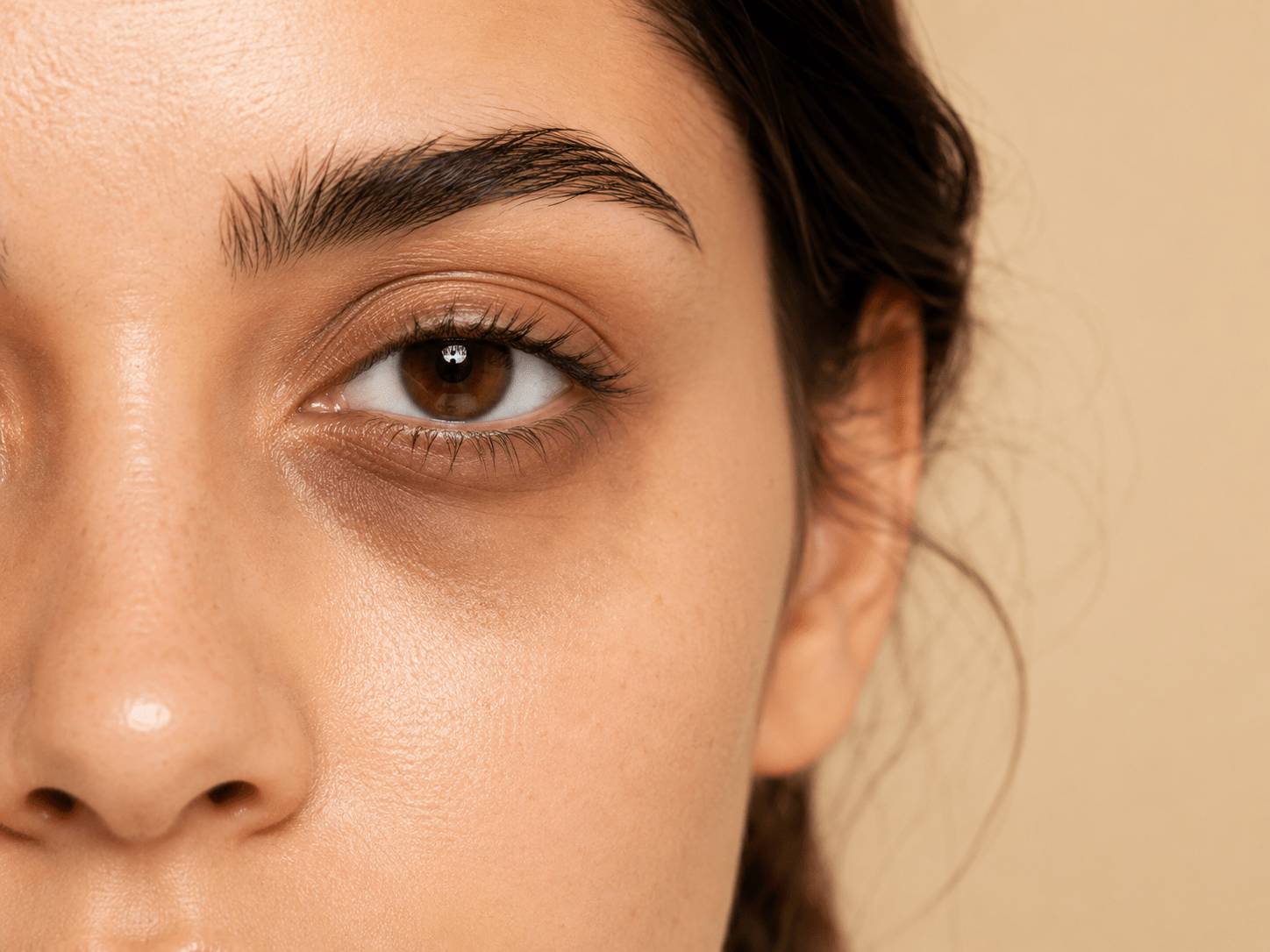
Dark Circles Under Eyes: common causes, skincare ingredients, under-eye hydration tips, and realistic routine help.
Dark Circles Under Eyes
The first thing to know is that the under-eye area is delicate. The skin there is thinner than many other areas of the face, so dryness, irritation, texture, discoloration, and shadows can look more obvious. That does not mean you are doing something wrong.
Dark Circles Under Eyes can be caused by several things at once. You may have a little pigmentation, a little dehydration, a little puffiness, and a little shadow from facial structure. That is why one eye cream rarely fixes every under-eye concern by itself.
Dark Circles Under Eyes
A good routine starts with figuring out what type of darkness you are seeing. Brown, blue, purple, gray, and shadowy circles may need different strategies. Skincare can help some causes, but makeup, sunscreen, lifestyle support, allergy control, or professional treatments may be needed for others.
Simple rule: under-eye skincare can help dryness, dullness, texture, and some discoloration, but shadows from bone structure or deep hollowness usually need a different approach.
Common Causes of Dark Circles
Dark Circles Under Eyes are not always caused by being tired. Sleep can affect how the under-eye area looks, but genetics, skin tone, allergies, dehydration, facial structure, and pigmentation can all play a role.
Genetics
Some people naturally have darker under-eyes because of skin tone, pigment, visible vessels, or facial structure.
Dryness
Dry under-eyes can look dull, textured, creased, or shadowed because the skin is not reflecting light smoothly.
Allergies
Allergies can lead to rubbing, puffiness, irritation, and discoloration around the eyes.
Natural Shadows
Hollows, puffiness, and facial structure can create shadows that look like dark circles even when the skin itself is not dark.
Brown Dark Circles vs Blue Dark Circles
One helpful way to understand the under-eye area is to look at the tone. Brown-toned circles are often linked to pigment, sun exposure, genetics, or post-inflammatory discoloration. Blue or purple-toned circles may be linked to thinner skin, visible blood vessels, shadows, or lack of sleep.
Dark Circles Under Eyes that look brown may respond better to sunscreen, gentle brightening ingredients, and avoiding irritation. Dark circles that look blue or purple may respond better to hydration, barrier support, sleep support, and ingredients that help the skin look smoother.
If the darkness changes a lot depending on lighting, angle, or facial expression, shadows may be a big part of it. If the darkness stays visible in every light and has a brown tone, pigmentation may be more involved.
This is why a single product can disappoint. The best under-eye routine depends on the cause, not just the word “dark circles” on the front of a product.
Can Skincare Help Dark Circles?
Skincare can help certain types of under-eye darkness, especially when dryness, dullness, texture, dehydration, or mild pigmentation are part of the problem. It can also help the under-eye area look smoother so light reflects better.
Dark Circles Under Eyes may improve when the skin is hydrated, protected from sun exposure, and not irritated by harsh products. Ingredients like hyaluronic acid, glycerin, panthenol, niacinamide, caffeine, peptides, and vitamin C may be helpful depending on the formula and your skin tolerance.
Skincare is less likely to fully correct darkness caused by genetics, deep hollows, bone structure, or strong shadows. In those cases, makeup, color correction, or professional options may make a bigger visible difference.
For gentle ingredient education, visit what is hyaluronic acid, what is glycerin, and what are the benefits of peptides.
Best Ingredients for Under-Eye Hydration
Hydration is one of the simplest ways to make the under-eye area look better. Hydrated skin usually looks smoother and less creased. It may not erase darkness, but it can make the area look fresher and more comfortable.
Dark Circles Under Eyes can look worse when the skin is dehydrated because fine lines, texture, and dullness become more noticeable. The under-eye area does not always need a heavy cream, but it usually benefits from gentle hydration and moisture support.
Hyaluronic Acid
Helps attract water to the skin and can make the under-eye area look smoother when sealed with moisturizer.
Glycerin
A reliable hydration ingredient that helps skin feel more comfortable and less tight.
Panthenol
Can help support comfort when the under-eye area feels dry, stressed, or easily irritated.
Squalane
Can add lightweight moisture and softness without feeling too heavy for many people.
Brightening Ingredients That May Help
Brightening ingredients may help when the darkness is partly caused by pigmentation, uneven tone, or dullness. The under-eye area is sensitive, so gentle formulas matter. Strong actives that work on the face may be too irritating close to the eyes.
Dark Circles Under Eyes with a brown tone may benefit from consistent sunscreen and gentle brightening support. Vitamin C, niacinamide, licorice root, peptides, and some mild pigment-supporting ingredients may be used in eye products, depending on the formula.
Do not put strong face products too close to your eyes unless the product is made for that area and your skin tolerates it. Irritation can make darkness look worse, especially if you rub the area or trigger dryness.
Helpful pages include what is vitamin C, what is niacinamide, and ingredient compatibility guide.
Why Sunscreen Matters Around the Eyes
Sun exposure can make discoloration look darker over time. If you are using brightening products but skipping sunscreen, the routine may feel like it is not working. Sunscreen is especially important when the concern is brown-toned discoloration.
Dark Circles Under Eyes caused partly by pigmentation may look more stubborn when the skin is not protected from UV exposure. A sunscreen that does not sting your eyes and that you will actually wear is often more useful than a complicated eye routine.
If sunscreen burns your eyes, look for formulas made for sensitive skin or try mineral sunscreen around the eye area. Sunglasses and hats can also help reduce sun exposure without adding another skincare step.
For dermatologist-reviewed sun protection education, visit the American Academy of Dermatology.
Allergies, Rubbing, and Puffiness
Allergies can make the under-eye area look darker, puffier, and more irritated. Rubbing the eyes can also worsen discoloration and sensitivity. If your dark circles get worse during allergy season, allergies may be part of the problem.
Dark Circles Under Eyes linked to allergies may not respond much to eye cream alone. If rubbing, watery eyes, itching, or sinus congestion are involved, managing the trigger may help more than adding another product.
Be gentle when removing makeup. Do not scrub the under-eye area. Use a soft touch, remove makeup slowly, and avoid products that make your eyes water or burn.
Chele tip: the under-eye area does not like rough handling. Pat products gently and avoid dragging the skin when applying skincare or makeup.
Dark Circles From Shadows and Hollows
Sometimes the darkness under the eyes is not really discoloration. It can be a shadow. Natural hollows, puffiness above a hollow, tear trough shape, and facial structure can all create darkness that changes with lighting.
Dark Circles Under Eyes caused mostly by shadows may not improve much with brightening skincare. Hydration can still help the skin look smoother, but it will not change bone structure or deep hollowness.
If your under-eyes look darker from certain angles or in overhead lighting, shadow may be involved. In that case, makeup placement, color correction, and lighting can make a big difference.
A peach or corrector shade under concealer can sometimes help blue or purple darkness. Brown-toned darkness may need a different corrector shade depending on your skin tone.
How to Build a Gentle Under-Eye Routine
A simple under-eye routine is usually better than an aggressive one. The eye area is delicate, and irritation can make the problem look worse. Start with hydration, moisture, sunscreen, and gentle brightening if your skin tolerates it.
Dark Circles Under Eyes do not require ten different products. In the morning, use gentle hydration or eye cream if needed, then sunscreen. At night, use a gentle moisturizer or eye cream that does not sting.
- Use gentle cleanser and avoid rubbing the eye area.
- Apply a small amount of eye cream or moisturizer if the area is dry.
- Use sunscreen in the morning if your skin tolerates it near the eyes.
- Choose gentle brightening ingredients if pigmentation is involved.
- Stop any product that burns, stings, or makes the skin peel.
What to Avoid Around the Eyes
The under-eye area is not the place to prove how strong your routine can be. Products that are fine on the cheeks may be too much near the eyes. Overdoing actives can lead to dryness, peeling, stinging, and more visible texture.
Dark Circles Under Eyes can look worse when the skin is irritated. Avoid harsh scrubs, strong exfoliating acids close to the eyes, heavy fragrance, and applying retinoids too close unless the product is made for that use.
If you use retinoids, keep them away from the lash line and be cautious around the orbital bone. If your eyes become dry, irritated, or watery, pause and reassess the routine.
Read beginners guide to retinol and signs of damaged skin barrier before using strong actives near sensitive areas.
Dark Circles Under Eyes: Quick Questions
These quick answers can help you decide what kind of help your under-eye area may need.
Can Dark Circles Under Eyes be genetic?
Yes. Genetics can affect pigmentation, skin thickness, visible blood vessels, and facial structure. Skincare may help the skin look smoother, but genetics can make dark circles more stubborn.
Can Dark Circles Under Eyes improve with hydration?
Sometimes. If the area looks dull, creased, or tired because of dehydration, hydrating ingredients and moisturizer can help the skin look smoother and more refreshed.
Can Dark Circles Under Eyes come from allergies?
Yes. Allergies, rubbing, puffiness, and irritation can all make the under-eye area look darker. If allergies are involved, eye cream alone may not be enough.
Simple Under-Eye Checklist
Use this checklist before buying another eye product. It can help you choose a routine that matches the actual problem.
- If the darkness is brown, think pigment and sun protection.
- If the darkness is blue or purple, think thin skin, visible vessels, or shadows.
- If the area is dry and creased, add gentle hydration and moisturizer.
- If the area is itchy or puffy, consider allergies and rubbing.
- If the darkness changes with lighting, shadows may be involved.
- If products sting, simplify and protect the barrier.
- If the concern is severe or sudden, consider professional guidance.
Dark Circles Under Eyes are not always a simple skincare problem, but a gentle routine can still help the under-eye area look smoother, calmer, and better supported.
Start With the Cause
Dark Circles Under Eyes can come from pigment, dryness, dehydration, allergies, shadows, genetics, or thinning skin. The best routine starts by identifying the likely cause, then choosing gentle hydration, sun protection, and realistic skincare support.