
Best cleansers for dry skin should remove sunscreen, makeup, sweat, and daily buildup without leaving your face tight, squeaky, itchy, or uncomfortable afterward.
Best Cleansers for Dry Skin – Gentle Face Wash Guide
Dry skin needs a cleanser that respects the skin barrier. The goal is not to feel stripped clean. The goal is to feel fresh, soft, and calm after washing.
This guide explains how to choose the best cleansers for dry skin, what textures usually work best, and which cleanser habits can make dry skin feel worse.
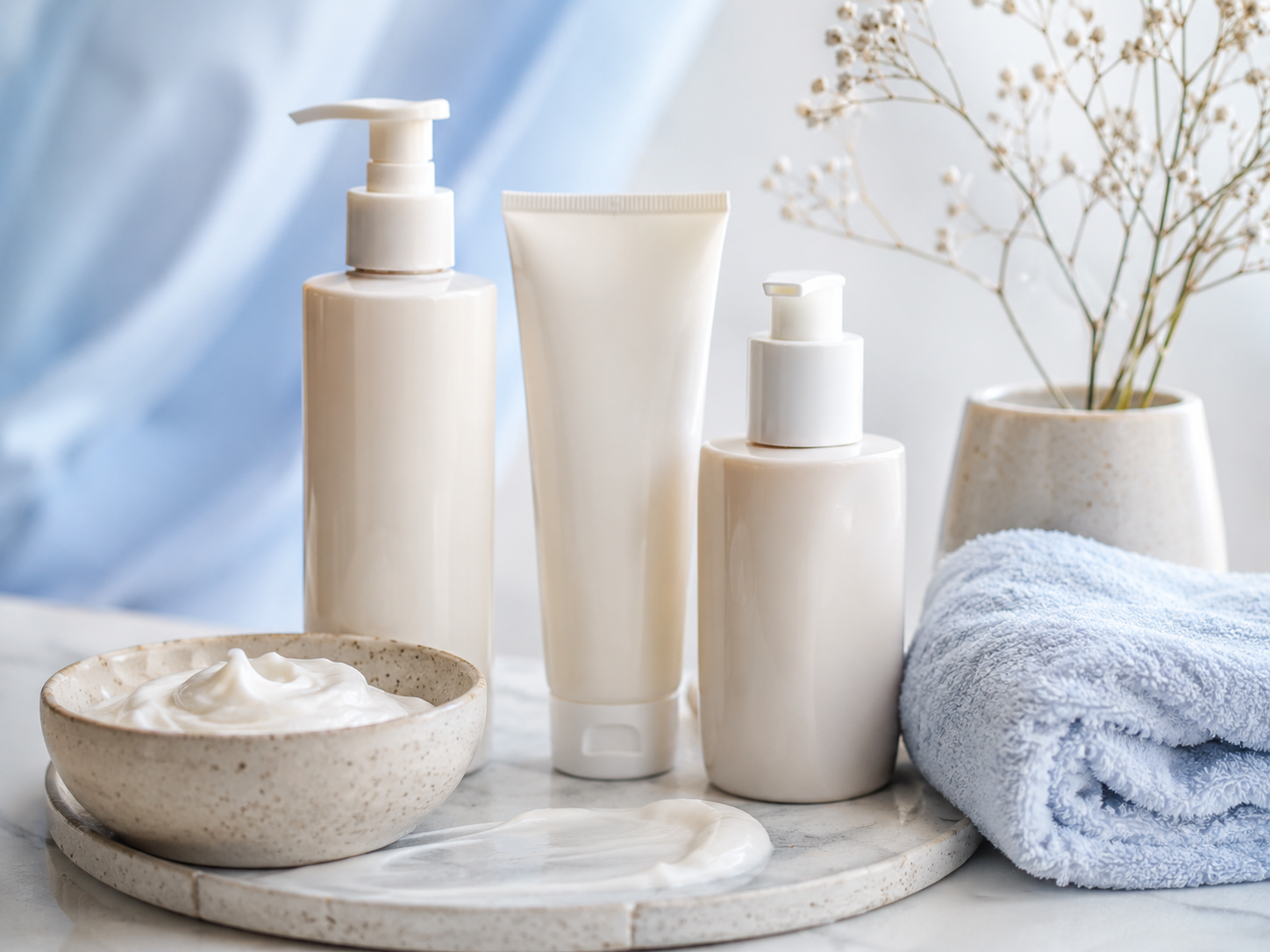
Best Cleansers for Dry Skin: What Actually Matters
The best cleansers for dry skin are gentle, low-stripping, and made for comfort. They should clean the skin without removing too much natural oil from the surface. When a cleanser is too harsh, dry skin may feel tight within minutes. It can also look flaky, dull, rough, or irritated even if the rest of your routine is good.
Dry skin already struggles to hold onto comfort and moisture. That does not mean you should skip cleansing, but it does mean your cleanser has to be chosen carefully. A strong foaming cleanser may feel satisfying in the moment, but if it leaves your skin squeaky, it may be working against your barrier.
A good dry skin cleanser should leave your skin feeling clean but not bare. Think soft, balanced, and comfortable. If you wash your face and immediately feel desperate for moisturizer, that cleanser may be too aggressive for your skin type.
The best cleansers for dry skin support the rest of your skincare routine. When the cleansing step is gentle, moisturizers, serums, and sunscreen often sit better because the skin is not starting from a stripped or irritated place.
What to Look for in the Best Cleansers for Dry Skin
When choosing a cleanser for dry skin, focus on the way the formula behaves on the skin. Cream cleansers, lotion cleansers, milky cleansers, balm cleansers, and some gentle gel cleansers can work well. The texture does not have to be heavy, but it should feel comfortable.
Creamy or Milky Texture
Cream and milk cleansers often feel softer on dry skin than strong foaming formulas. They can cleanse without leaving that dry, pulled feeling.
Barrier-Friendly Ingredients
Look for formulas with glycerin, panthenol, ceramides, oat, squalane, or other soothing and moisturizing ingredients.
No Harsh After-Feel
The cleanser should rinse clean but still leave your face feeling comfortable. Dry skin does not need to feel squeaky to be clean.
Glycerin is especially helpful because it is a humectant, meaning it helps attract water. Panthenol can support a softer, calmer feel. Ceramides are also useful because they are part of the skin barrier. These ingredients will not replace a moisturizer, but they can make the cleansing step less stressful for dry skin.
Cleveland Clinic recommends avoiding hot water, avoiding rubbing or scrubbing, and staying away from products that can dry out the skin when caring for dry facial skin. You can read more here: Cleveland Clinic tips for treating dry skin on the face.
Best Cleansers for Dry Skin by Formula Type
The best cleansers for dry skin are usually formulas that clean gently while keeping the skin barrier in mind. The right cleanser type depends on how dry your skin feels, how much makeup or sunscreen you wear, and whether your skin also feels sensitive.
For Daily Cleansing
A cream or milky cleanser is often the safest starting point. This type of cleanser can work well for morning cleansing or gentle evening washing.
For Makeup Days
A balm cleanser can help dissolve makeup and sunscreen first, so you do not have to scrub dry skin with a washcloth or strong cleanser.
For Tight Skin
If your skin feels tight after every wash, the best cleansers for dry skin are usually fragrance-free, non-stripping, and soft-rinsing.
Ingredients Dry Skin May Want to Avoid in a Cleanser
Dry skin does not automatically need to avoid every active ingredient, but the cleanser step is usually not the best place to be aggressive. A cleanser sits on the skin for a short time, so it is better used for gentle cleansing than intense treatment.
The best cleansers for dry skin usually avoid making the skin feel raw, tight, or overworked. If your cleanser feels powerful but your skin feels worse afterward, that is not a win for dry skin.
Strong Foaming Cleansers
Some very foamy cleansers can leave dry skin feeling overly clean, tight, or uncomfortable. Not every foaming cleanser is bad, but the after-feel matters.
Heavy Fragrance
Fragrance can be a problem for dry or sensitive skin, especially when the barrier is already irritated. Fragrance-free is often the safer direction.
Daily Scrub Particles
Physical scrubs can make flaky skin look smoother for a moment, but frequent scrubbing may worsen irritation and roughness.
Too Many Actives at Once
If your cleanser has acids, exfoliants, or acne-focused ingredients, be careful. Dry skin can become irritated when every step of the routine is trying to treat something.
Best Cleanser Types for Dry Skin
The best cleansers for dry skin are not always the most expensive or the most complicated. They are the ones that match your skin’s comfort level. Here are the cleanser types that usually make the most sense for dry skin.
Cream Cleansers
Cream cleansers are often a strong choice for dry skin because they feel soft and comforting. They are especially helpful when your skin feels tight after washing.
Shop Cream CleansersMilky Cleansers
Milky cleansers can remove light buildup without making the skin feel stripped. They are a good option for dry, delicate, or easily irritated skin.
Shop Milky CleansersCleansing Balms
Cleansing balms can help dissolve makeup and sunscreen without harsh rubbing. Many dry skin routines use a balm first, then a gentle second cleanser.
Shop Cleansing BalmsAs an Amazon Associate, this site may earn from qualifying purchases. Product availability and prices can change.
How to Wash Dry Skin Without Making It Worse
Even the right cleanser can feel wrong if the cleansing method is too harsh. Dry skin usually does better with lukewarm water, gentle pressure, and a short cleansing time. Hot water can make dry skin feel worse because it can increase that tight, uncomfortable feeling after washing.
If you wear makeup or water-resistant sunscreen, consider a two-step cleanse at night. The first step can be a balm or oil-based cleanser to dissolve makeup and sunscreen. The second step can be a gentle cream, milk, or non-stripping cleanser.
The best cleansers for dry skin are only one part of the routine. After cleansing, apply moisturizer while your skin is still slightly damp. This helps reduce that dry, tight feeling and supports a more comfortable routine.
Signs Your Cleanser May Be Too Harsh
Dry skin will usually tell you when a cleanser is not working. The signs can be subtle at first, but they often show up as tightness, stinging, rough patches, or makeup sitting badly on the skin. If your moisturizer suddenly feels like it is not doing enough, the problem may start with your cleanser.
One reason the best cleansers for dry skin matter so much is that cleansing happens every day. A slightly harsh cleanser used once may not seem like a big deal, but repeated stripping can make the entire routine harder.
Your Face Feels Tight
Tightness after cleansing is one of the clearest signs that your cleanser may be removing too much from the skin surface.
Makeup Looks Patchy
If foundation clings to flakes or looks textured, your skin may need a gentler cleanser and better moisture support.
Products Sting More Often
Stinging can happen when the barrier is irritated. A harsh cleanser can make that problem worse over time.
Dry Skin Cleanser Routine Example
Here is a simple dry skin cleansing routine you can use as a starting point. You do not have to follow it exactly, but it shows how gentle cleansing fits into the rest of a dry skin routine.
Morning
Use lukewarm water or a very gentle cleanser if your skin feels like it needs cleansing. Follow with serum if needed, moisturizer, and sunscreen.
Evening
If you wore sunscreen or makeup, use a cleansing balm first. Then use a gentle cream, milk, or soft gel cleanser.
After Cleansing
Apply moisturizer while the skin is slightly damp. Dry skin usually does better when moisture is sealed in quickly after washing.
The best cleansers for dry skin should fit into this routine without making the skin feel punished. If your cleanser feels gentle, your moisturizer does not have to work as hard to calm everything back down.
Best Cleansers for Dry Skin FAQ
Should dry skin use a foaming cleanser?
Some gentle foaming cleansers can work, but many dry skin types do better with cream, milk, balm, or non-stripping gel cleansers. The after-feel matters more than the label.
Is cleansing once a day enough for dry skin?
For some people, yes. Many dry skin routines cleanse fully at night and keep the morning routine very gentle. If your skin feels comfortable, that can be enough.
Can the wrong cleanser make dry skin worse?
Yes. A cleanser that strips the skin can make dryness, tightness, rough texture, and irritation worse. Switching to one of the best cleansers for dry skin can make the rest of your routine work better.
What is the best cleanser texture for dry skin?
Cream, milk, balm, and gentle non-stripping gel textures are often good choices. The best option is the one that leaves your skin feeling soft and calm after rinsing.
More Dry Skin Guides to Read Next
If you are comparing the best cleansers for dry skin, it also helps to understand what your skin needs after cleansing. Dry skin usually needs a routine that supports moisture, softness, and barrier comfort from start to finish.
Complete the Dry Skin Product Routine
Once you choose one of the best cleansers for dry skin, the next step is building the rest of the dry skin routine around comfort, barrier support, and daily protection. Use the links below to stay inside the dry skin product cluster.
The best cleansers for dry skin should help your skin feel clean, soft, and ready for the rest of your skincare routine instead of tight or irritated.
This content is for general skincare education only and is not medical advice. If your skin is painful, cracking, bleeding, or severely irritated, consider checking with a dermatologist.