Skin Ingredient Lab
Skincare Ingredients and Benefits
Skincare ingredients and benefits can feel confusing when product labels promise hydration, glow, barrier repair, smoother texture, brighter-looking skin, or anti-aging support. This guide explains skincare ingredients and benefits in a simple way so you can understand what common ingredients are usually used for before adding them to your routine.
The goal is not to collect every trendy ingredient. The goal is to understand skincare ingredients and benefits by skin need: hydration, barrier support, calming, brightening, exfoliation, oil balance, and visible texture support. When you understand the purpose of an ingredient, it becomes easier to choose products without overloading your skin.
Skincare Ingredients and Benefits Explained Simply
Skincare ingredients and benefits are easiest to understand when ingredients are grouped by purpose. Some ingredients mainly help attract or hold water. Some support the skin barrier. Some are used for uneven-looking tone. Others are used for clogged pores, dullness, visible texture, or signs of aging.
A balanced routine does not need every popular ingredient at once. In fact, understanding skincare ingredients and benefits often helps people simplify. Dry skin may need barrier support and richer moisturizers. Oily skin may need lightweight hydration. Sensitive skin may need fewer actives, not more.
Use this ingredient hub as a starting point. Each ingredient card links to a deeper guide so you can learn what the ingredient does, who it may help, and how to use it in a beginner-friendly routine.
Hyaluronic Acid
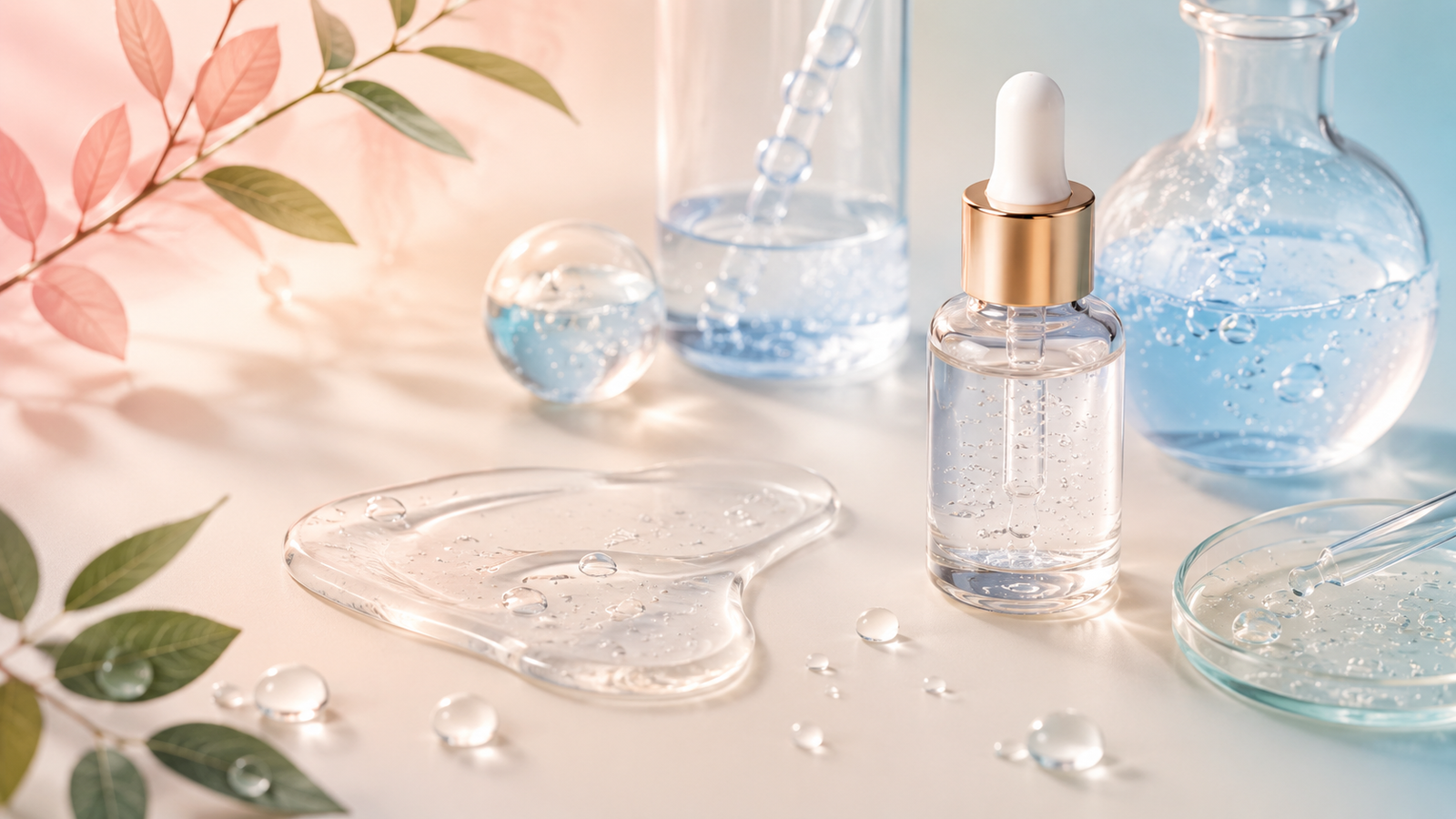
Hyaluronic acid is a humectant that helps bind water. It can support a hydrated, plumper-looking feel when paired with moisturizer.
Learn About Hyaluronic Acid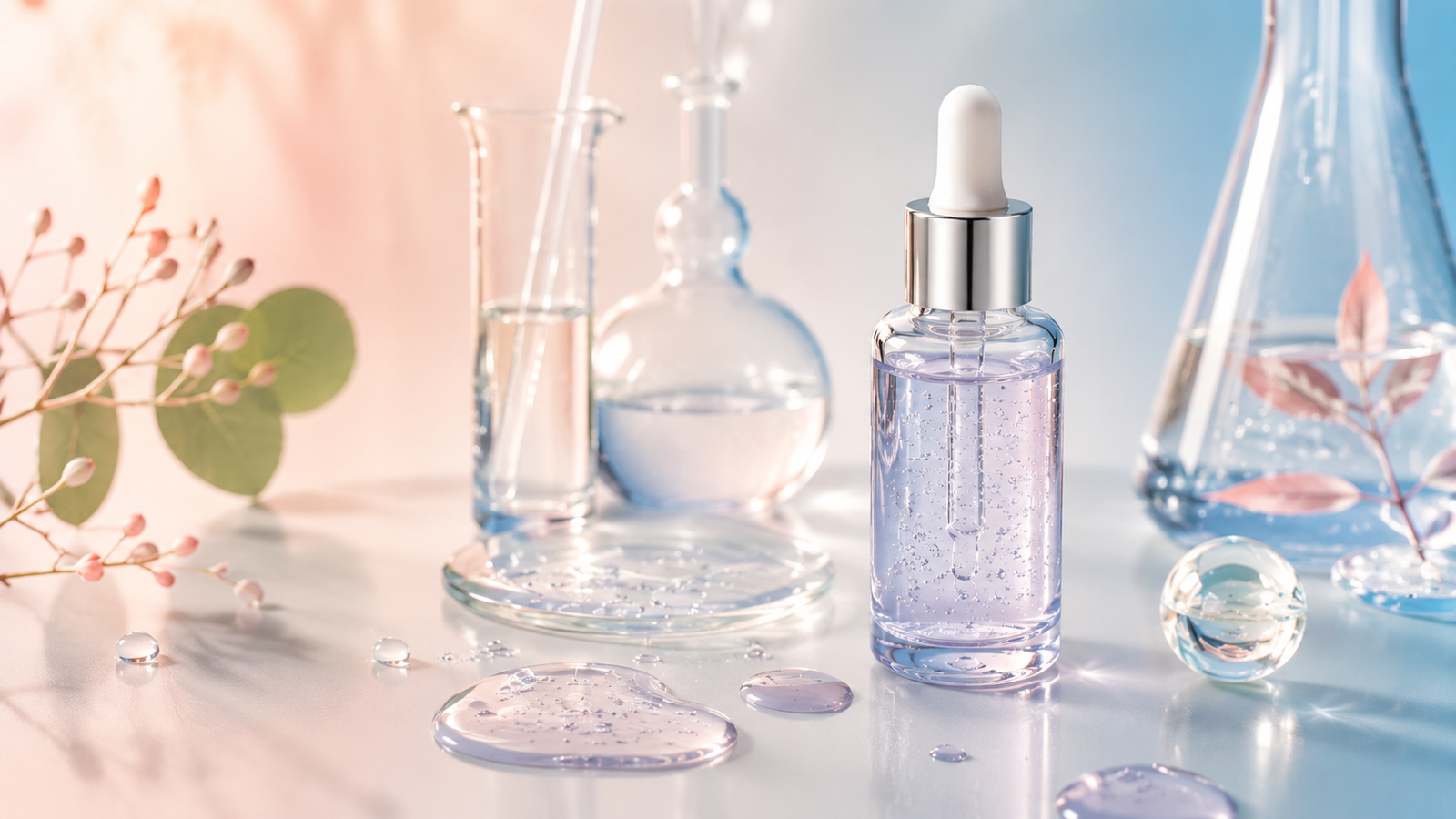
Niacinamide
Niacinamide is a versatile ingredient often used for barrier support, oil balance, uneven-looking tone, and calmer-looking skin.
Learn About Niacinamide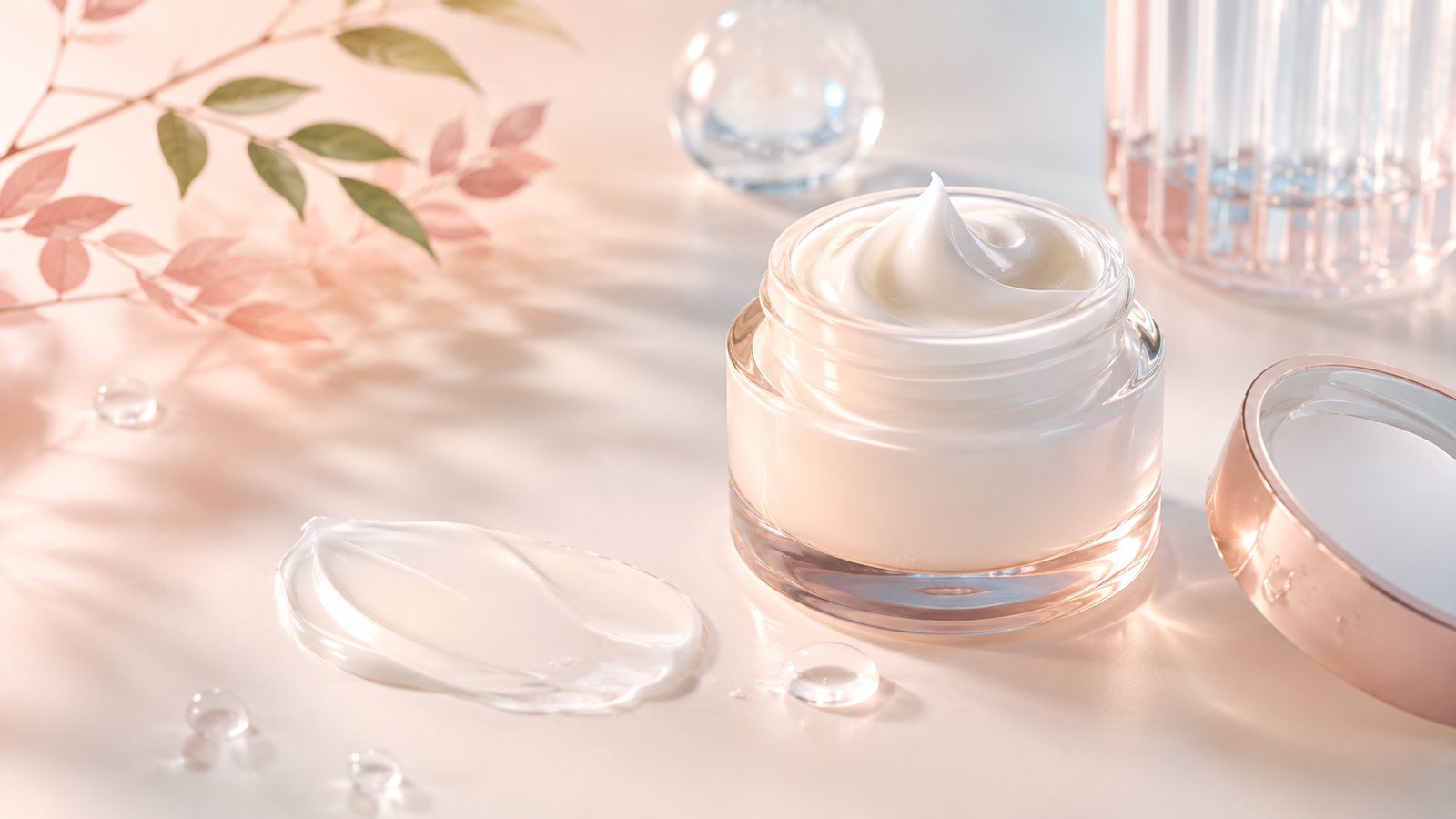
Ceramides
Ceramides are barrier-supporting lipids often used in moisturizers for dry, stressed, sensitive-feeling, or uncomfortable skin.
Learn About Ceramides
Peptides
Peptides are often used in formulas focused on smoother-looking, firmer-looking, or more supported skin.
Learn About Peptides
Retinoids
Retinoids are powerful active ingredients often used for texture, visible aging, and skin renewal. They need careful use.
Learn About Retinoids
Vitamin C
Vitamin C is commonly used for brightness, uneven-looking tone, and antioxidant support, but some forms can feel strong.
Learn About Vitamin C
Glycerin
Glycerin is a common humectant used to help draw water into the skin and support a softer, more hydrated feel.
Learn About Glycerin
Squalane
Squalane is a lightweight emollient often used to soften skin and support moisture without feeling as heavy as many oils.
Learn About Squalane
Panthenol / Vitamin B5
Panthenol is often used in soothing and moisturizing formulas to help skin feel calmer, softer, and more comfortable.
Learn About Panthenol / Vitamin B5
Salicylic Acid / BHA
Salicylic acid is an oil-soluble exfoliating acid often used in products for clogged pores, oily skin, and blemish-prone areas.
Learn About Salicylic Acid
Green Tea Extract
Green tea extract is often used for antioxidant support and calming-looking formulas, especially in gentle skincare routines.
Learn About Green Tea Extract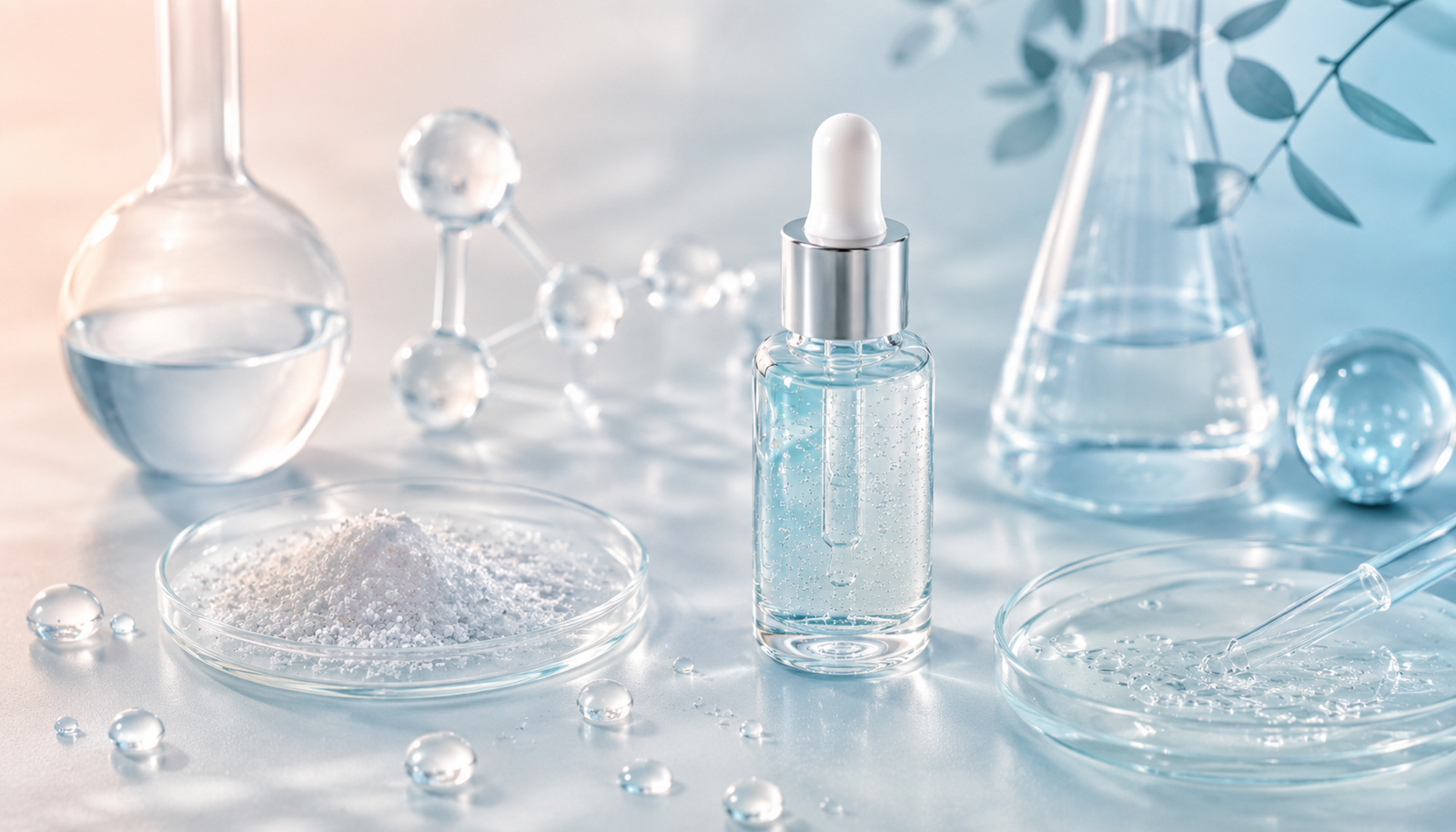
Zinc / Zinc PCA
Zinc PCA is often used in formulas for oily or blemish-prone skin because it can support a more balanced-looking complexion.
Learn About Zinc / Zinc PCA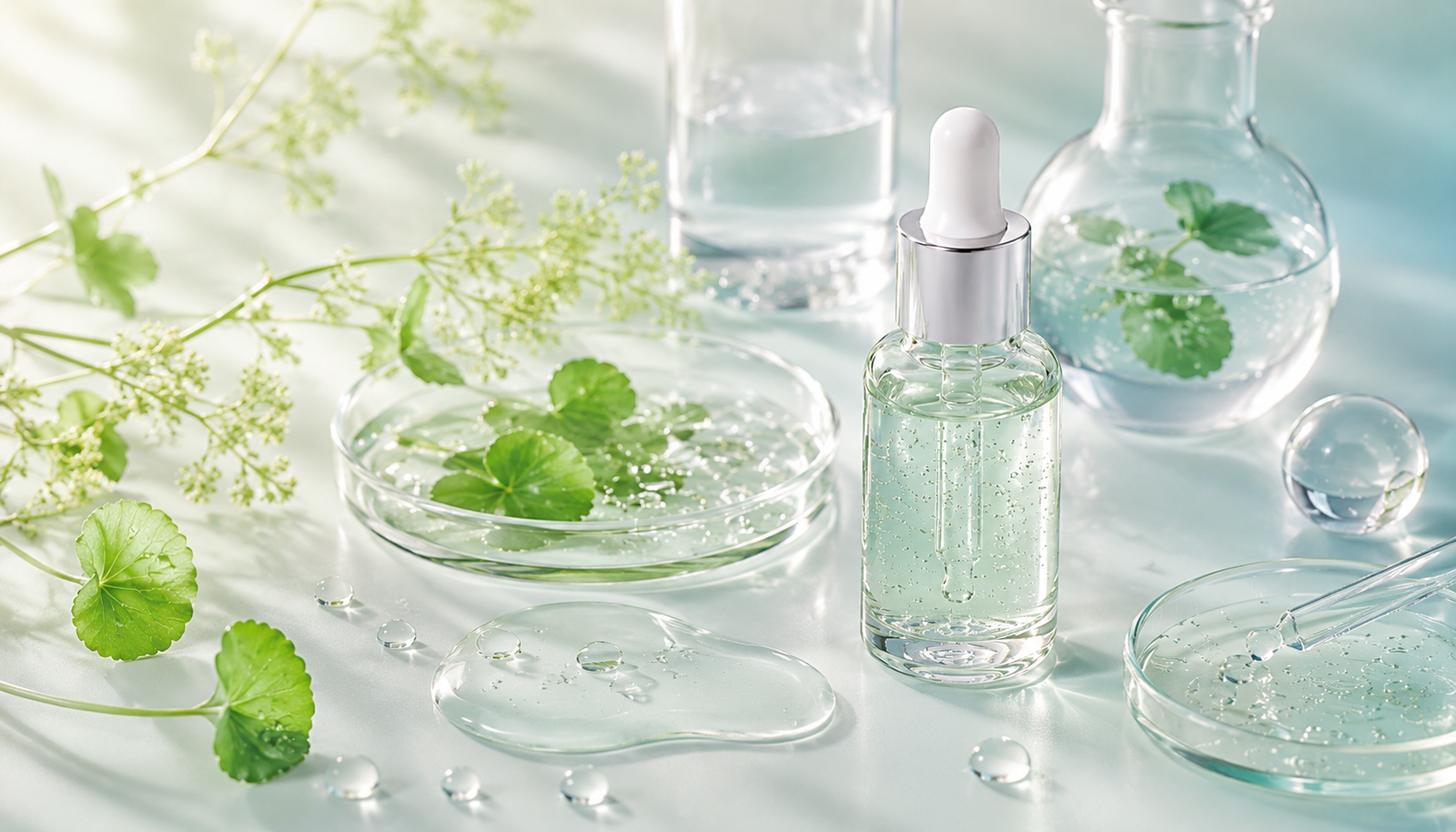
Centella Asiatica
Centella asiatica is commonly used in calming, barrier-friendly skincare products for skin that feels reactive or stressed.
Learn About Centella Asiatica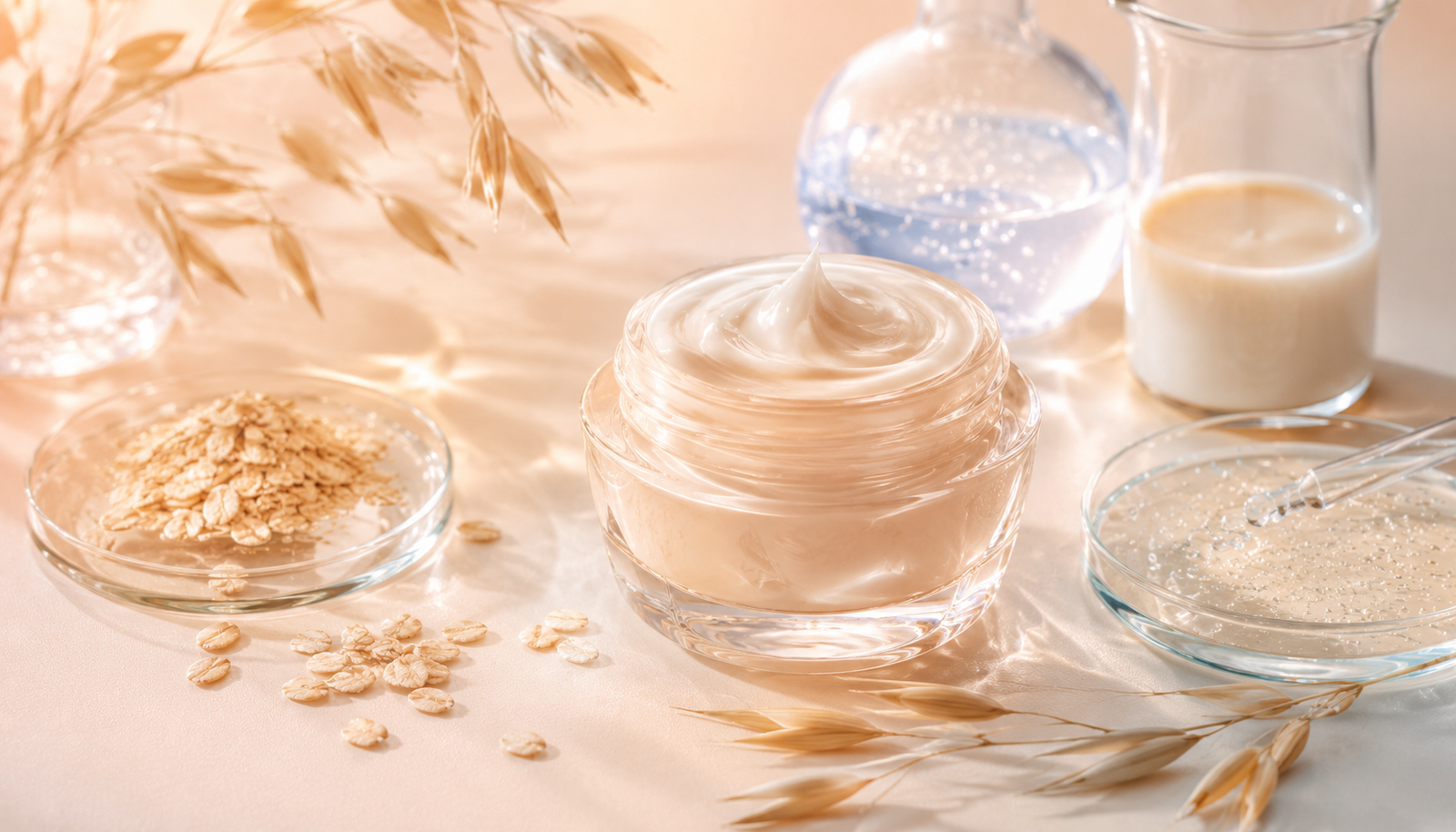
Colloidal Oatmeal / Oat Extract
Oat ingredients are often used in gentle formulas for dry, sensitive-feeling, itchy-feeling, or uncomfortable skin.
Learn About Colloidal Oatmeal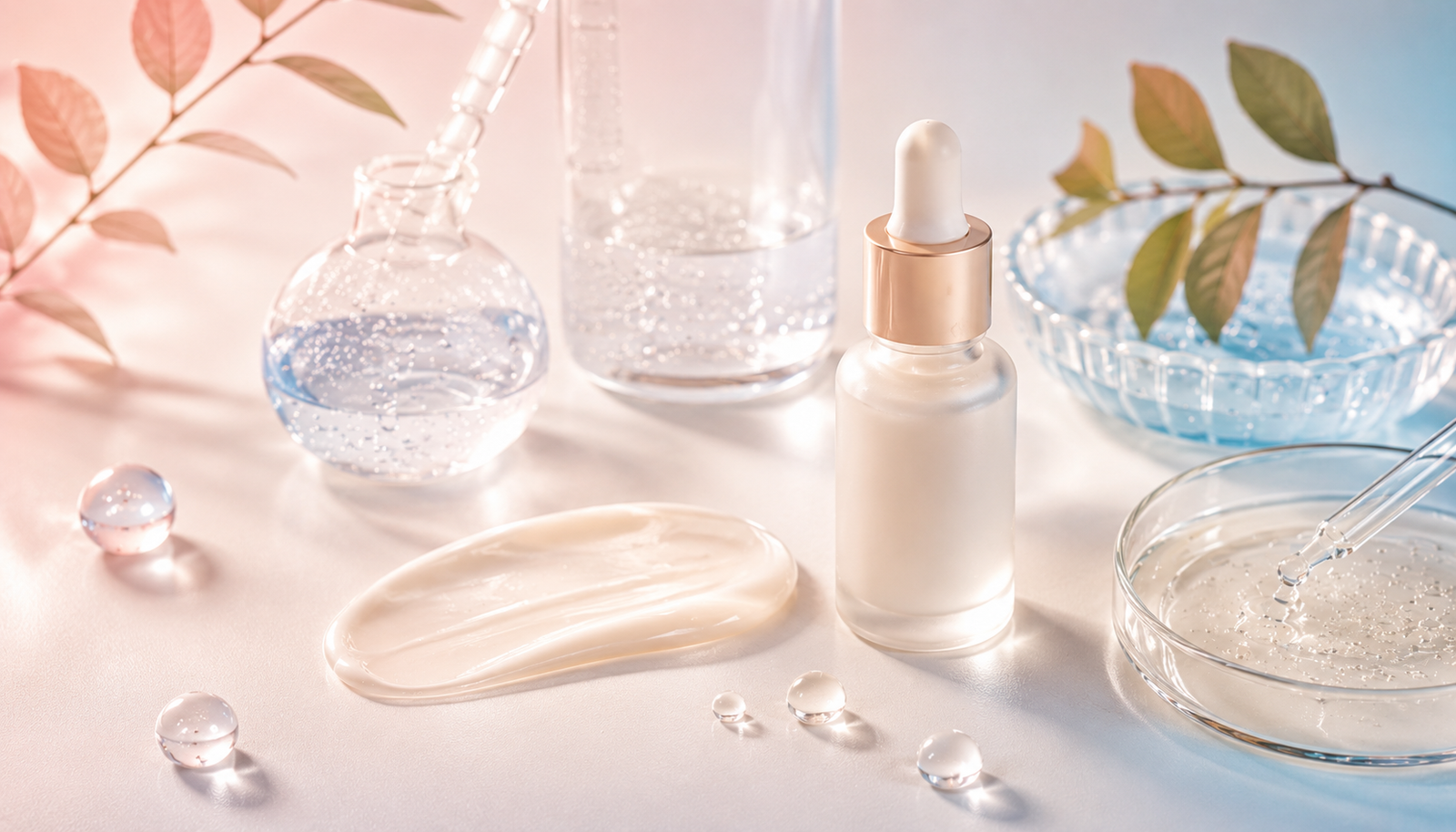
Azelaic Acid
Azelaic acid is often used in routines focused on uneven-looking tone, redness-prone skin, texture, and blemish-prone areas.
Learn About Azelaic Acid
Benzoyl Peroxide
Benzoyl peroxide is a common acne-focused ingredient, but it can be drying and may require careful moisturizing support.
Learn About Benzoyl Peroxide
AHA / PHA
AHA and PHA exfoliants are often used for dullness and texture, but they should be used gently to avoid over-exfoliation.
Learn About AHA / BHA / PHAHow to Choose Skincare Ingredients and Benefits Without Overdoing It
Skincare ingredients and benefits matter most when they fit your skin type, your skin concern, and the rest of your routine. A product may contain a helpful ingredient, but that does not mean your skin needs it right now. The best routine is usually the one your skin can tolerate consistently.
Start with skin type first. Dry skin may need richer moisturizers, ceramides, humectants, and barrier support. Oily skin may still need hydration, but usually in lighter textures. Combination skin may need different strategies for different areas of the face. Sensitive skin often needs fewer steps, less fragrance, and a slower approach to active ingredients.
Then match your main skin concern. Dehydration, dryness, dark spots, texture, clogged pores, redness, and barrier stress may all need different ingredient choices. This is why understanding skincare ingredients and benefits helps you avoid buying products just because they are popular.
Start With Skin Type
Skin type affects product texture, comfort, and how your routine feels. Understanding whether your skin is dry, oily, combination, or sensitive can make product choices less confusing.
How to Identify Your Skin TypeThen Match Your Concern
Skin concerns like dehydration, texture, dark spots, redness, clogged pores, and barrier stress may need different ingredient strategies.
Understanding Your Skin ConcernsSkin Ingredient Lab provides skincare education only. This content is not medical advice and does not replace guidance from a dermatologist, doctor, or licensed medical professional.
Beginner Tips for Using Skincare Ingredients and Benefits Safely
Learning skincare ingredients and benefits is not just about knowing what each ingredient can do. It is also about knowing how to use ingredients without overwhelming your skin. Too many strong products at once can lead to dryness, burning, stinging, peeling, or a damaged-feeling barrier.
- Add one product at a time. This makes it easier to know what helped or what irritated your skin.
- Do not stack too many actives. Retinoids, vitamin C, exfoliating acids, acne treatments, and brightening products can be too much together.
- Use moisturizer for support. Hydrating and barrier-supporting products can help your skin tolerate stronger ingredients better.
- Use sunscreen daily. Sunscreen matters when using retinoids, exfoliants, vitamin C, and products for uneven-looking tone.
- Simplify when skin feels stressed. A calmer routine can be more helpful than adding another treatment product.
Build Your Ingredient Knowledge Step by Step
You do not need to memorize every ingredient name to make better skincare choices. Start with hydration, barrier support, sunscreen, and one active ingredient that matches your main concern. Then build slowly from there.
For dermatologist-reviewed skin care basics, the American Academy of Dermatology shares public education on everyday skin care habits. Read the AAD skin care basics guidance.