
What are dark spots and how to treat them is a common skincare question because dark spots can come from acne, sun exposure, irritation, hormones, or inflammation, and they usually need patience plus daily sunscreen.
What Are Dark Spots and How to Treat Them
Dark spots can be frustrating because the breakout, rash, or irritation may be gone, but the mark stays behind. This guide explains what dark spots are, why they happen, and which skincare steps can help improve the look of uneven tone over time.
What Are Dark Spots and How to Treat Them?
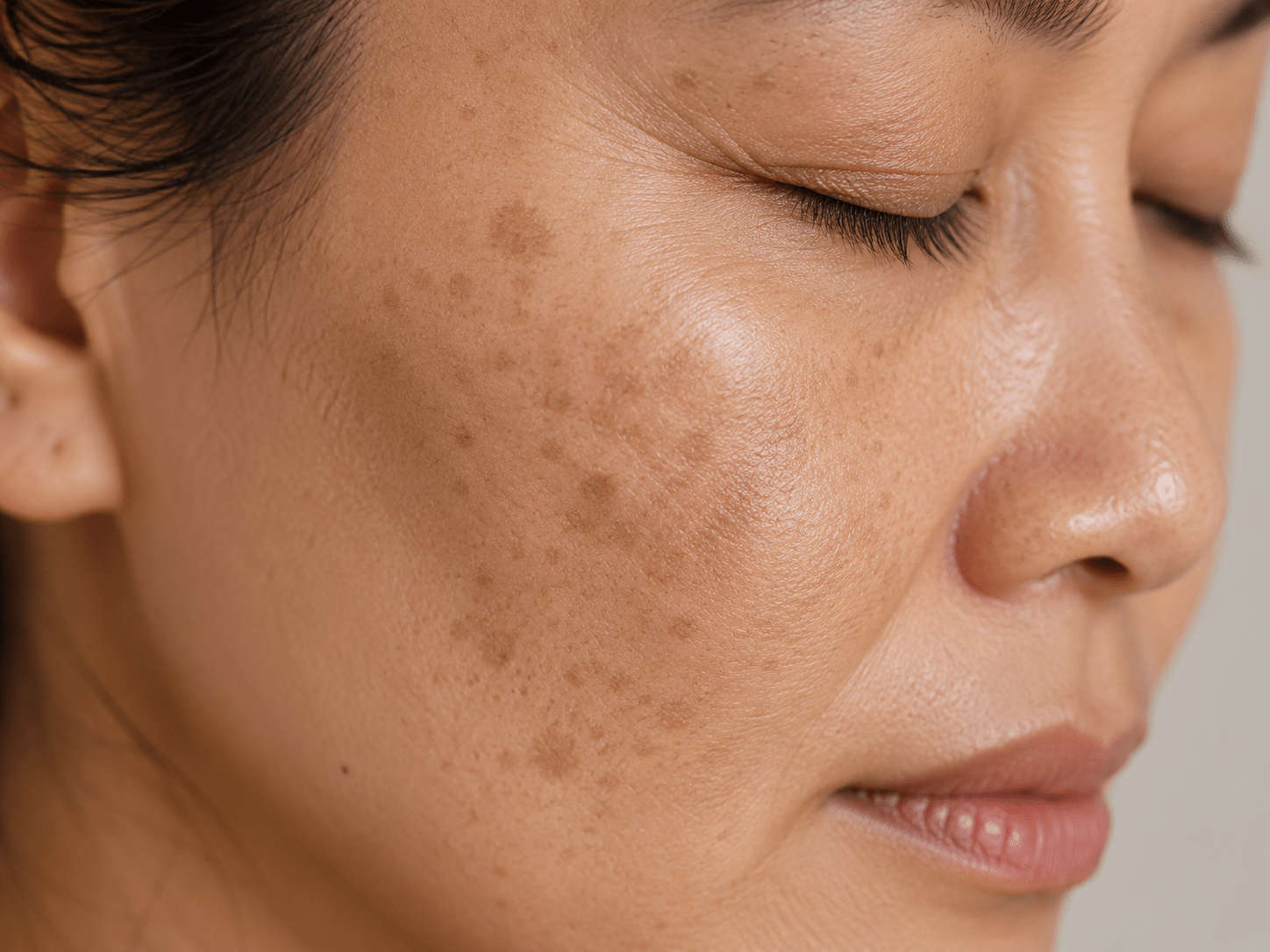
What are dark spots and how to treat them starts with understanding that dark spots are areas of uneven pigment that look darker than the surrounding skin. They may appear brown, tan, gray-brown, reddish-brown, purple-brown, or deeper depending on skin tone and the cause.
Dark spots are often called hyperpigmentation. They can happen after acne, picking, irritation, sun exposure, bug bites, rashes, burns, or inflammation. Some people also develop dark patches from melasma, hormonal changes, or repeated UV exposure over time.
The answer to what are dark spots and how to treat them is not usually one magic serum. The most important step is sunscreen, because UV exposure can make dark spots darker and keep them around longer. After sunscreen, targeted ingredients may help support a more even-looking tone.
Simple rule: If you are treating dark spots but skipping sunscreen, you are working against your own routine. Sunscreen is the daily non-negotiable step.
What Causes Dark Spots?
To understand what are dark spots and how to treat them, it helps to know what caused the spot in the first place. A post-acne mark is not always the same as sun damage. A dark patch from melasma is not always treated the same way as a small mark from a picked blemish.
Post-inflammatory hyperpigmentation can happen after the skin is inflamed or injured. Acne, eczema flares, irritation, bug bites, scratches, waxing irritation, burns, or harsh skincare reactions can all leave marks. The skin produces extra pigment as part of the healing response.
Sun exposure is another common cause. Dark spots can become more noticeable after years of UV exposure, especially on areas like the face, chest, shoulders, and hands. This is why daily sunscreen and sun-smart habits matter even when you are not actively trying to treat a spot.
Post-acne marks
Breakouts can leave red, purple, brown, or darker marks after the active blemish is gone.
Sun exposure
UV exposure can darken existing spots and contribute to new uneven pigment over time.
Irritation
Harsh products, picking, scratching, or inflammation can trigger uneven tone as skin heals.
Hormonal pigment
Melasma-like patches may be influenced by hormones and usually need careful sun protection.
Sunscreen Is the First Treatment Step
When people ask what are dark spots and how to treat them, sunscreen has to be part of the answer. Brightening ingredients can help, but they will not do much if the skin keeps getting UV exposure that darkens the spots again.
Sunscreen helps protect against UV-related darkening, uneven tone, and visible aging. It also supports the work of brightening ingredients because the routine is not constantly fighting new pigment triggers.
Choose a sunscreen you will actually wear every morning. Oily skin may prefer a lighter finish. Dry skin may prefer a more moisturizing sunscreen. Combination skin may need a balanced texture. The best sunscreen is the one you can use consistently without hating how it feels.
Dark spot sunscreen tip
If your dark spots are on the face, neck, chest, or hands, those areas need consistent sun protection too, not just your cheeks.
Skincare Ingredients That May Help Dark Spots
After sunscreen, the next part of what are dark spots and how to treat them is choosing ingredients that support uneven tone. Common options include vitamin C, azelaic acid, niacinamide, retinoids, tranexamic acid, exfoliating acids, and sometimes ingredients like licorice root or kojic acid depending on the product.
Vitamin C is often used in morning routines for antioxidant support and brighter-looking skin. Azelaic acid may help acne-prone skin and uneven tone for some people. Niacinamide can support the barrier and uneven-looking tone. Retinoids can help with cell turnover and texture over time, but they need slow introduction.
Do not start every brightening ingredient at once. Too many actives can irritate the skin, and irritation can lead to more marks. A calm, consistent routine usually works better than an aggressive one.
Vitamin C
May support a brighter-looking routine and help with antioxidant support when used with sunscreen.
Azelaic acid
May be useful for acne-prone skin, uneven tone, and post-breakout marks depending on the formula.
Niacinamide
May support the skin barrier, oil balance, and uneven-looking tone in a gentle routine.
Retinoids
May help texture and turnover over time, but they should be introduced slowly and carefully.
Post-Acne Dark Spots
Post-acne marks are one of the biggest reasons people search what are dark spots and how to treat them. A breakout can leave a mark long after the pimple itself is gone, especially if the breakout was inflamed, picked, squeezed, or irritated.
For post-acne dark spots, sunscreen matters every morning. Then the routine may include acne control plus brightening support. If new breakouts keep happening, dark spots will keep showing up too, so treating acne and preventing picking are both part of the plan.
Try not to scrub post-acne marks. Scrubbing does not erase pigment. It can create more irritation, and irritation can keep uneven tone going. Gentle, consistent care usually does more than aggressive exfoliation.
Post-acne mark tip
Work on preventing new breakouts while treating old marks. Otherwise, the skin may keep creating new spots faster than old ones fade.
How Long Do Dark Spots Take to Fade?
A realistic part of what are dark spots and how to treat them is understanding time. Dark spots do not usually fade overnight. Some marks fade in weeks, while others take months. Deeper or stubborn pigment can take longer, especially if sun exposure continues.
Skin tone, spot depth, cause, inflammation level, sun exposure, and routine consistency can all affect fading time. Picking, irritation, and skipped sunscreen can slow progress.
If you are using a brightening ingredient, give it time. Switching products every few days usually makes it harder to see what is working. A steady routine with sunscreen is usually the smarter approach.
Patience reminder: Dark spots often fade slowly. If you keep changing the routine or irritating your skin, you may make the process take longer.
What Not to Do for Dark Spots
When learning what are dark spots and how to treat them, it is just as important to know what not to do. Do not scrub the skin aggressively. Do not use every brightening active at once. Do not pick breakouts or healing spots. Do not skip sunscreen and expect serums to do all the work.
Aggressive routines can backfire. If the skin becomes irritated, inflamed, or barrier-damaged, it may create more uneven tone. This is especially important for skin tones that are more prone to post-inflammatory hyperpigmentation.
A dark spot routine should be consistent, not punishing. Use sunscreen daily, choose one or two targeted ingredients, moisturize well, and avoid unnecessary irritation.
- Do not pick, squeeze, or scratch healing spots.
- Do not use harsh scrubs to try to remove pigment.
- Do not start five brightening products at once.
- Do not skip sunscreen while treating dark spots.
- Do not keep using products that burn or inflame your skin.
When Dark Spots Need Professional Help
Sometimes the answer to what are dark spots and how to treat them includes professional care. If a spot is changing quickly, irregular, bleeding, painful, very dark, new and concerning, or looks different from your other spots, get it checked.
Dark patches that may be melasma, stubborn post-acne marks, or pigment that does not improve with consistent care may also benefit from a dermatologist’s guidance. Professional options may include prescription topicals, chemical peels, lasers, or other treatments depending on the cause and skin tone.
It is also important not to assume every dark spot is just hyperpigmentation. Some spots need medical evaluation, especially if they are changing in shape, color, size, or texture.
Get checked if
A spot is new and unusual, changing, bleeding, painful, irregular, or not behaving like a normal post-acne mark.
FAQ About What Are Dark Spots and How to Treat Them
What are dark spots and how to treat them at home?
What are dark spots and how to treat them at home usually means protecting the skin with sunscreen, avoiding picking, using gentle skincare, and adding one brightening ingredient at a time.
Can sunscreen help dark spots?
Yes. Sunscreen is one of the most important steps because UV exposure can make dark spots darker and slow fading.
Can acne cause dark spots?
Yes. Inflamed acne and picked breakouts can leave post-acne marks that may look red, purple, brown, or darker than the surrounding skin.
Final Thoughts on What Are Dark Spots and How to Treat Them
What are dark spots and how to treat them comes down to understanding the cause, protecting the skin from UV exposure, preventing new inflammation, and using brightening ingredients carefully.
Sunscreen is the foundation. After that, ingredients like vitamin C, azelaic acid, niacinamide, retinoids, and gentle exfoliating acids may help depending on your skin and the type of spot. But consistency matters more than rushing.
If you are trying to figure out what are dark spots and how to treat them, start with sunscreen, stop picking, keep the barrier calm, and choose targeted products slowly. If a spot looks unusual or will not improve, get it checked instead of guessing.
This page is for general skincare education only. It is not medical advice. If a dark spot is new, changing, bleeding, painful, irregular, or concerning, contact a qualified medical professional.