What causes skin redness can depend on your skin barrier, irritation, dryness, acne, sun exposure, sensitivity, temperature changes, or a skin condition that needs professional care.
What Causes Skin Redness – Common Triggers and Skincare Help
Skin redness can be temporary, mild, stubborn, or uncomfortable. This guide explains common redness triggers, how skincare can make redness better or worse, and when redness should not be treated like a normal routine problem.
What Causes Skin Redness?
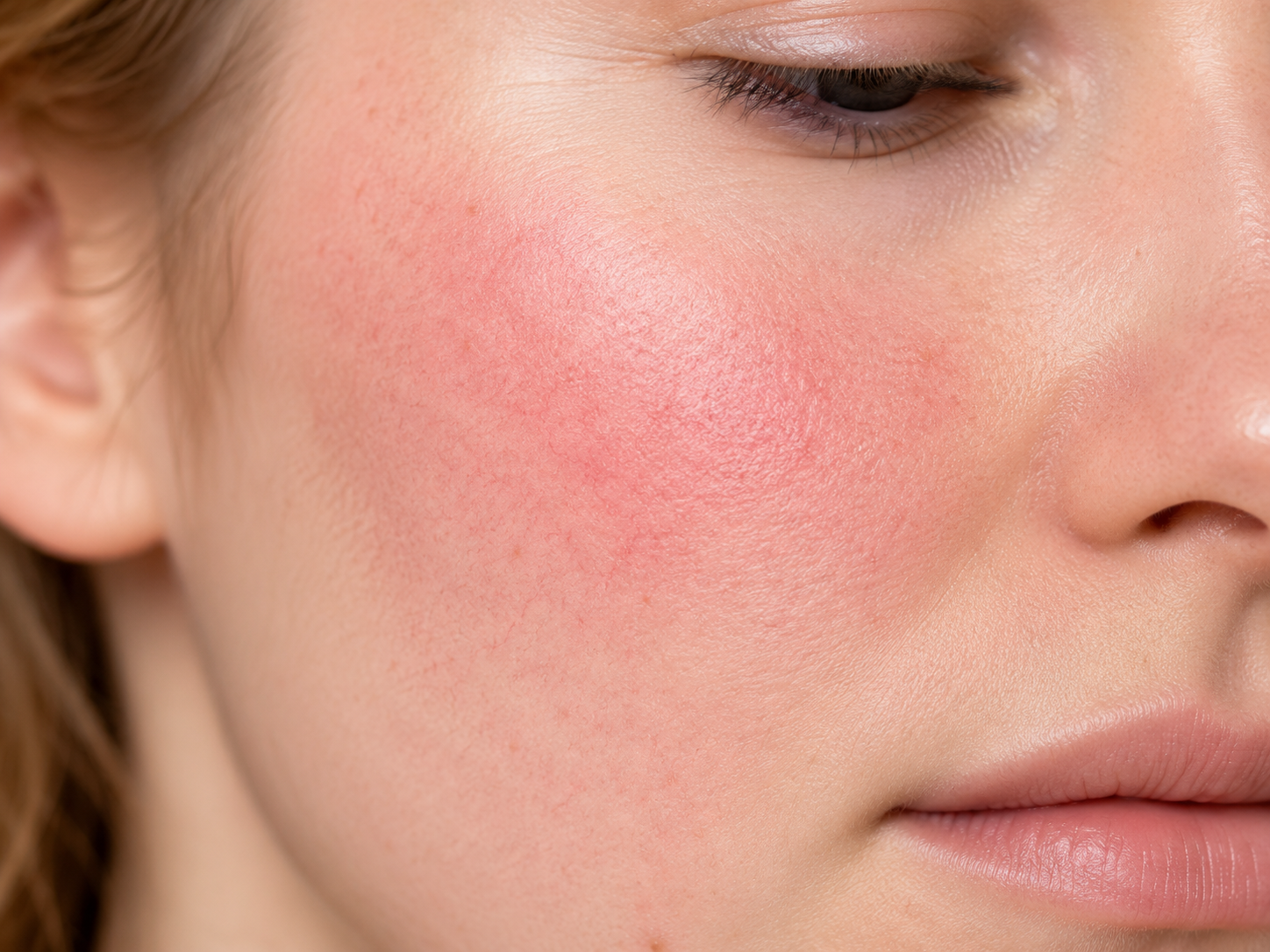
What causes skin redness is not always one simple thing. Redness can happen when the skin is irritated, inflamed, overheated, dry, sun-exposed, acne-prone, barrier-damaged, or reacting to something in a product or environment.
Some redness is temporary. Your face may flush after heat, exercise, strong emotions, spicy food, or exfoliation. Other redness is more persistent and may show up as patches, stinging, burning, bumps, rashy areas, or visible irritation that keeps coming back.
The answer to what causes skin redness depends on what the redness looks like and how it feels. Redness with itching may point toward irritation or allergy. Redness with burning may point toward barrier stress. Redness with bumps may involve acne, dermatitis, rosacea-like symptoms, or another skin condition.
Important: Redness that is painful, swollen, hot, spreading, infected-looking, blistering, or paired with hives or trouble breathing should be checked quickly. That is not a normal skincare adjustment.
Barrier Damage Can Cause Skin Redness
A damaged skin barrier is one of the most common skincare-related answers to what causes skin redness. When the barrier is stressed, the skin may look red, feel tight, sting, burn, itch, or react to products that used to be fine.
Barrier damage can happen from over-exfoliating, using too many active ingredients, washing too often, using harsh cleansers, skipping moisturizer, or trying to fix every concern at once. Retinoids, acids, benzoyl peroxide, and vitamin C can all be helpful, but they can also irritate the skin if used too aggressively.
If barrier damage is the issue, the answer is usually not more treatment products. The better move is to simplify. Use a gentle cleanser, a moisturizer that supports the barrier, sunscreen during the day, and pause unnecessary actives until the skin feels calmer.
Barrier redness clues
Redness from barrier stress may come with burning, stinging, tightness, itching, peeling, or sudden sensitivity to products.
Product Irritation Can Trigger Redness
Product irritation is another major reason behind what causes skin redness. A product may be too strong, too drying, too fragranced, used too often, or layered with other products that make the skin more reactive.
Irritation is not always the same as an allergy. Irritation may happen because your skin cannot tolerate the strength, frequency, or combination of products in your routine. This is common when beginners start several active ingredients at once.
If redness started after a new product, look at timing. Did it happen right after application? Did it show up after a few days? Did it begin after increasing use? The newest product or strongest active is often the first thing to pause.
Common product triggers
Strong acids, retinoids, scrubs, drying cleansers, fragrance-heavy formulas, and acne products can all trigger redness if the skin cannot tolerate them.
Routine overload
Even good ingredients can become too much when they are stacked together without enough recovery time.
Dryness and Dehydration Can Make Redness Worse
Dryness and dehydration can also explain what causes skin redness or why redness looks more noticeable. When the skin is dry, tight, flaky, or dehydrated, the surface may become more reactive and less comfortable.
Dry skin lacks oil, while dehydrated skin lacks water. Either one can make skin look dull, rough, tight, or flushed. Some people with oily skin can still be dehydrated, which means they may look shiny but feel tight and irritated.
If dryness is contributing to redness, focus on gentle cleansing, hydration, and moisturizer. Ingredients like glycerin, panthenol, ceramides, squalane, hyaluronic acid, and colloidal oatmeal may support comfort depending on the formula.
Dryness redness clues
Redness tied to dryness may come with tightness, flakes, rough patches, itching, or a stretched feeling after cleansing.
Acne and Breakouts Can Cause Redness
Breakouts are another answer to what causes skin redness. Inflamed acne can look red, swollen, tender, or irritated. Even after a breakout starts healing, some people are left with red or darker marks that take time to fade.
Acne-related redness can become worse from picking, squeezing, scrubbing, or using too many drying acne treatments. The skin may need targeted acne care, but it also needs barrier support so the routine does not create more irritation.
If redness is mostly around pimples, bumps, or clogged pores, acne-focused ingredients may help. Salicylic acid, benzoyl peroxide, adapalene, or azelaic acid may be options depending on the acne type and skin tolerance. Introduce them slowly.
Acne redness clues
Redness from acne often appears around inflamed bumps, healing breakouts, picked spots, or areas with clogged pores.
Sun Exposure, Heat, and Weather Can Trigger Redness
Environmental triggers are a big part of what causes skin redness. Sun exposure, heat, wind, cold weather, dry air, and sudden temperature changes can all make the skin look more flushed or irritated.
Sun exposure can cause sunburn, visible irritation, and long-term skin stress. Heat can increase flushing. Cold weather and dry air can make the barrier feel tight and uncomfortable. Wind can also make sensitive skin look redder.
If your skin gets red easily outdoors, sunscreen and barrier support matter. A gentle moisturizer can help reduce dryness-related discomfort, while sunscreen helps protect against UV-related irritation and visible aging.
Sun exposure
UV exposure can make redness, dark spots, irritation, and visible skin aging worse over time.
Weather stress
Cold, wind, dry air, and heat can all make sensitive or dry skin look more reactive.
Sensitive Skin and Redness-Prone Skin
Sensitive skin is often part of what causes skin redness. Some skin types react quickly to fragrance, strong actives, harsh cleansing, weather changes, heat, or too many products. Sensitive skin may flush, sting, itch, or burn more easily.
Redness-prone skin usually needs a slower skincare approach. That means fewer products, gentle textures, patch testing, sunscreen, and avoiding the urge to keep adding new products every time the skin reacts.
Ingredients like panthenol, glycerin, ceramides, Centella Asiatica, colloidal oatmeal, and green tea may be helpful in calming-looking routines, depending on the formula. But even gentle ingredients can irritate some people, so introduce new products carefully.
Calm routine tip: When skin is red and reactive, boring skincare is often better than exciting skincare. Gentle cleanser, moisturizer, sunscreen, and one support step may be enough while your skin calms down.
When Skin Redness May Need Medical Care
Sometimes the answer to what causes skin redness is not something you should guess at with skincare products. Persistent redness, painful redness, swelling, hives, rashy patches, blistering, heat, infection signs, or sudden severe redness should be taken seriously.
Redness can be connected to rosacea, eczema, contact dermatitis, allergic reactions, infection, hives, medication reactions, or other health-related issues. Skincare can support the barrier, but it cannot diagnose everything.
If redness is getting worse, spreading, painful, or not improving with gentle care, a dermatologist or healthcare professional can help identify the cause and recommend treatment. Do not keep layering actives over skin that is clearly reacting.
Do not ignore these signs
Seek help for redness with swelling, hives, trouble breathing, fever, pus, severe pain, red streaking, blistering, or sudden spreading rash.
How to Calm the Look of Redness
After learning what causes skin redness, the next step is to respond gently. The first move is usually to simplify your routine. Stop new or suspicious products, pause strong actives, use a gentle cleanser, moisturize consistently, and use sunscreen in the morning.
If your skin is red because of irritation or barrier damage, give it time. Skin does not always calm down overnight. Avoid scrubbing, exfoliating, picking, or switching products every day. Too many changes can make it harder to know what is helping.
If redness improves with a simpler routine, that tells you your skin may have been overwhelmed. If redness does not improve, keeps spreading, or comes with stronger symptoms, get medical guidance instead of guessing.
- Pause strong exfoliating acids and retinoids if skin is burning or stinging.
- Use a gentle cleanser that does not leave skin tight.
- Choose a moisturizer that supports your skin barrier.
- Wear sunscreen every morning, especially if redness worsens outdoors.
- Avoid picking, scrubbing, or repeatedly testing products on irritated skin.
- Get help if redness is painful, swollen, infected-looking, or persistent.
FAQ About What Causes Skin Redness
What causes skin redness after skincare?
What causes skin redness after skincare can include irritation, over-exfoliation, fragrance, strong actives, allergy, or a damaged skin barrier. Stop the suspicious product and simplify if redness keeps happening.
Can dry skin cause redness?
Yes. Dryness and dehydration can make the skin barrier feel weaker and more reactive, which may make redness, tightness, itching, and burning more noticeable.
Can acne cause redness?
Yes. Inflamed acne can cause redness around breakouts, and picked or healing spots can leave red or darker marks that take time to fade.
Final Thoughts on What Causes Skin Redness
What causes skin redness can include barrier damage, product irritation, dryness, acne, sun exposure, weather changes, sensitivity, allergies, or a medical skin condition. The right fix depends on the cause.
If redness is mild and tied to your routine, simplifying may help. If your skin is burning, stinging, or reacting to everything, focus on barrier support instead of adding more actives. If redness is painful, swollen, persistent, or spreading, get professional care.
The best skincare response is calm, not aggressive. Listen to what your skin is showing you, protect the barrier, and use targeted products only when your skin can tolerate them.
This page is for general skincare education only. It is not medical advice. If redness is painful, swollen, infected-looking, blistering, sudden, spreading, or paired with hives or trouble breathing, seek medical care promptly.