
Beginners guide to retinol routines should feel simple, not scary. This beginners guide to retinol explains how to start slowly, protect your skin barrier, and use sunscreen so retinol can fit into a gentle skincare routine.
Beginners Guide to Retinol – Simple Starter Routine
Retinol is one of the most talked-about skincare ingredients because it may help with texture, dullness, clogged pores, uneven tone, and early signs of aging. The problem is that many people start too fast. This beginners guide to retinol gives you a calmer way to begin without overwhelming your skin.
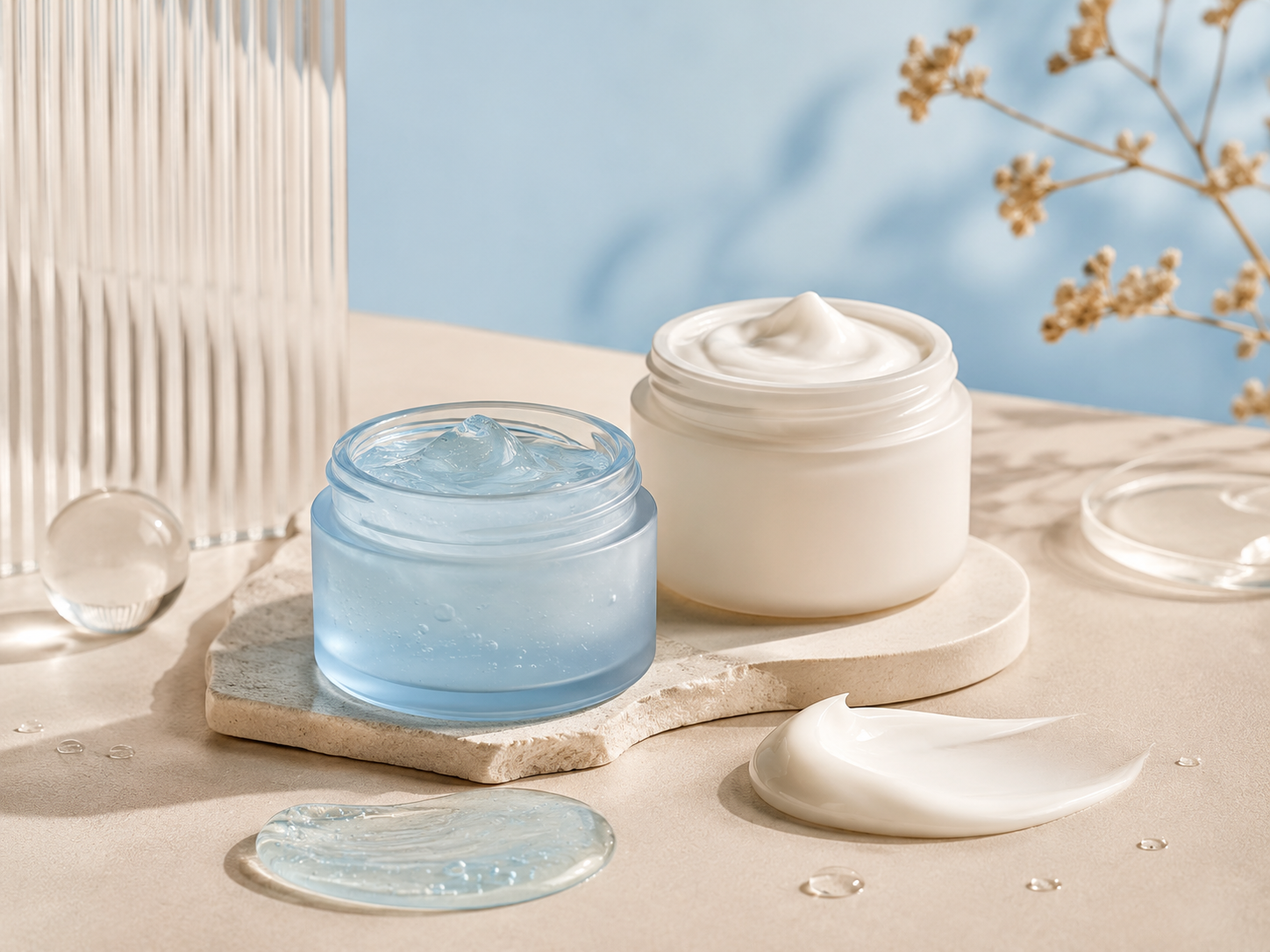
Beginners guide to retinol starter routine with gentle skincare steps, moisturizer support, and daily sunscreen.
Beginners Guide to Retinol: What Retinol Actually Does
Retinol is a vitamin A derivative used in skincare to support smoother-looking skin, more even texture, and a fresher appearance over time. A beginners guide to retinol should never promise overnight results because retinol works gradually.
When used consistently, retinol encourages the skin’s natural renewal process. That may help the surface of the skin look smoother and more refined. Because this process can be irritating when rushed, this beginners guide to retinol focuses on patience, moisture, and barrier support.
The biggest mistake is thinking stronger means better. A beginners guide to retinol should start with a low-strength product, a pea-sized amount, and only one or two nights per week. A gentle formula used correctly is usually more helpful than a strong formula used aggressively.
Simple rule: retinol is a slow-and-steady ingredient. Start low, use it at night, moisturize well, and do not skip daily sunscreen.
Beginners Guide to Retinol Frequency
A good beginners guide to retinol starts with frequency before strength. Most beginners do best using retinol only one night per week at first. If the skin stays calm, move to two nights per week. This gives your skin time to adjust without immediately becoming dry, tight, flaky, or irritated.
Use a pea-sized amount for the whole face. That tiny amount may not seem like enough, but retinol spreads easily and does not need to be applied heavily. Avoid the corners of the nose, corners of the mouth, eyelids, and immediate under-eye area unless the product is made for those delicate zones.
Apply retinol at night after cleansing. For many beginners, it helps to wait until the skin is fully dry before applying. Damp skin can make active ingredients feel stronger. After applying retinol, follow with a plain moisturizer to reduce dryness and support the skin barrier.
Simple retinol starter schedule
- Weeks 1-2: Use retinol one night per week.
- Weeks 3-4: Use retinol two nights per week if your skin feels comfortable.
- Weeks 5-8: Increase only if your skin is calm, not peeling or burning.
- Long term: Many people do well using retinol two to four nights per week.
This beginners guide to retinol is not about forcing nightly use. For many people, especially those with sensitive, dry, or mature skin, a few consistent nights per week works better than using too much and damaging the barrier.
Beginners Guide to Retinol Night Routine
This beginners guide to retinol keeps the night routine simple because too many products can make it harder to know what your skin is reacting to. On retinol nights, you do not need a complicated routine. Gentle cleansing, retinol, and moisturizer are enough for most beginners.
Step 1: Gentle Cleanser
Use a non-stripping cleanser that leaves your skin clean but not squeaky or tight. If your cleanser makes your face feel dry before retinol, it may increase irritation.
Step 2: Retinol
Apply a pea-sized amount to dry skin. Keep retinol away from delicate folds and areas that tend to sting easily.
Step 3: Moisturizer
Use a calming moisturizer with barrier-supporting ingredients like glycerin, ceramides, panthenol, or squalane.
Step 4: Sunscreen Next Morning
Retinol belongs in a routine that includes daily sunscreen. Morning protection helps defend your results and reduce unnecessary irritation.
If your skin is very sensitive, use the moisturizer sandwich method. Apply a light layer of moisturizer first, then retinol, then another layer of moisturizer. For beginners, this is one of the easiest ways to make retinol feel less harsh.
For more help with product order, read the what order should you apply skincare guide. If your skin feels irritated or tight, pause retinol and focus on the signs of damaged skin barrier page before continuing.
Beginners Guide to Retinol Ingredient Pairing
A beginners guide to retinol should be honest about what to avoid in the beginning. Retinol can be irritating when combined with too many exfoliating or strong active ingredients. That does not mean you can never use other actives, but beginners should not stack everything on the same night.
At first, avoid using retinol on the same night as strong exfoliating acids, harsh scrubs, benzoyl peroxide, or strong vitamin C formulas. Your skin may tolerate those ingredients separately later, but the early adjustment period is not the time to test every active together.
If you already use acne treatments, exfoliants, or brightening ingredients, separate them from retinol nights. For example, use retinol on Monday and Thursday, then use a gentle exfoliant on Saturday only if your skin is calm. If your skin gets flaky, shiny, hot, or stingy, you are probably doing too much.
Beginner-friendly retinol pairings
- Glycerin for hydration and comfort.
- Ceramides to support the skin barrier.
- Panthenol for a calmer feel.
- Squalane for lightweight moisture.
- Hyaluronic acid when layered with moisturizer.
For a deeper breakdown of ingredient combinations, visit the ingredient compatibility guide. This beginners guide to retinol pairs best with a calm, simple routine while your skin adjusts.
Beginners Guide to Retinol Warning Signs
When starting retinol, some mild dryness or light flaking can happen. That does not automatically mean the product is wrong for you. However, a beginners guide to retinol should clearly explain the difference between normal adjustment and a damaged skin barrier.
Mild dryness, a little texture change, or brief flaking may be part of the adjustment period. Burning, swelling, raw patches, severe peeling, intense redness, or stinging from plain moisturizer are warning signs. If that happens, stop retinol and focus on simple barrier repair until your skin feels normal again.
Do not keep applying retinol over irritated skin just because you want faster results. Damaging the barrier can make your skin look worse, not better. This beginners guide to retinol protects your skin first because barrier damage can increase redness, sensitivity, breakouts, tightness, and makeup texture problems.
Chele tip: if your moisturizer suddenly burns, your skin is telling you to stop actives for a bit. Go back to gentle cleanser, moisturizer, and sunscreen.
If you are dealing with ongoing redness, visit what causes skin redness. If your skin feels tight but oily, the dehydrated skin vs dry skin page may also help.
Beginners Guide to Retinol and Sunscreen
Retinol is used at night, but your morning routine matters just as much. Daily sunscreen helps protect your skin while you are using ingredients that support renewal. If you start retinol but skip sunscreen, you may work against your own progress.
A beginners guide to retinol has to include sunscreen because sunscreen protects the results you are trying to build. This matters even more if you are trying to improve dark spots, uneven tone, dullness, or early signs of aging.
Use a broad-spectrum sunscreen every morning, even if you are indoors near windows or running errands. Choose one that fits your skin type so you are more likely to wear it every day.
If your skin is oily, visit best sunscreen for oily skin. If your skin is dry, visit best sunscreens for dry skin. If you are combination, visit best sunscreen for combination skin.
The American Academy of Dermatology recommends broad-spectrum sunscreen with SPF 30 or higher as part of daily skin protection. You can read more sunscreen guidance from the American Academy of Dermatology.
Beginners Guide to Retinol for Sensitive Skin
Retinol is common, but it is not automatically right for every situation. People with very sensitive skin, eczema-prone skin, rosacea-prone skin, a compromised barrier, or recent facial treatments may need to be extra cautious. If your skin is already irritated, wait before starting.
A beginners guide to retinol for sensitive skin should begin with barrier support. That means gentle cleanser, moisturizer, sunscreen, and no harsh scrubs or strong exfoliants while your skin adjusts. Sensitive skin may need retinol only once weekly for a while.
Retinoids are generally avoided during pregnancy and while breastfeeding unless a qualified medical provider gives specific guidance. If you are pregnant, trying to conceive, or nursing, read the pregnancy-safe skin and what to avoid page and ask your doctor before using retinol.
If you are using prescription acne medication, prescription retinoids, or treatments from a dermatologist, do not layer over-the-counter retinol on top without guidance. More vitamin A is not always better. Too much can lead to irritation, peeling, and barrier damage.
How Long Does Retinol Take to Work?
Retinol is not a quick-results ingredient. Some people notice smoother texture or a fresher look within several weeks, but visible changes in tone, fine lines, clogged pores, and overall texture usually take longer. Consistency matters more than rushing.
This beginners guide to retinol is meant to help you stay consistent without irritating your skin. If you use retinol carefully for a few months, protect your skin with sunscreen, and keep your barrier healthy, you are more likely to see steady improvement.
Photos can help. Take a picture in the same lighting once a month instead of judging your skin every morning. Skin changes slowly, and daily mirror-checking can make normal texture look worse than it really is.
If your main concern is wrinkles, the what causes wrinkles page can help you understand other factors like sun exposure, dryness, facial movement, and barrier health. If your concern is dark spots, visit what are dark spots and how to treat them.
Beginners Guide to Retinol by Skin Type
Not every skin type needs to start retinol the same way. A beginners guide to retinol should adjust for dryness, oiliness, combination skin, and sensitivity. The goal is to make retinol fit your skin, not force your skin to tolerate a routine that is too harsh.
Dry skin
Dry skin usually needs extra moisturizer support. Use retinol once weekly at first, apply moisturizer before and after if needed, and avoid exfoliating acids until your skin feels stable. Rich moisturizers with ceramides, glycerin, or squalane can help.
Oily skin
Oily skin may tolerate retinol more easily, but it can still become dehydrated. Do not skip moisturizer just because your skin produces oil. A lightweight gel-cream or lotion can help keep the barrier balanced.
Combination skin
Combination skin may need different support in different areas. You can use a lightweight moisturizer across the face and add a richer layer to dry zones. Avoid applying retinol heavily around flaky areas.
Sensitive skin
Sensitive skin should start slowly and use the moisturizer sandwich method. Choose a gentle retinol formula and avoid using other actives on retinol nights. If irritation shows up quickly, pause and repair first.
For more skin-type help, visit skincare routine for different skin types or take a look at how to identify your skin type.
Beginners Guide to Retinol Mistakes to Avoid
Most retinol problems come from doing too much too soon. Beginners often want fast results, so they use retinol nightly, apply a large amount, exfoliate on the same night, and then wonder why their skin is burning. Retinol is powerful enough that the gentle approach is usually the smart approach.
A beginners guide to retinol should help you avoid daily use at first, oversized amounts, harsh exfoliation, skipping moisturizer, and skipping sunscreen. If your moisturizer burns, your skin is telling you to slow down.
- Do not start with daily use.
- Do not apply more than a pea-sized amount.
- Do not use retinol on damp skin if you are sensitive.
- Do not layer strong acids, scrubs, or benzoyl peroxide on the same night at first.
- Do not skip moisturizer.
- Do not skip sunscreen the next morning.
- Do not push through burning, swelling, or raw skin.
If your skincare routine already feels confusing, read how to build a simple skincare routine. This beginners guide to retinol works best when the rest of your routine is calm, consistent, and easy to follow.
Beginners Guide to Retinol Starter Plan
Here is a beginner-friendly way to start without overcomplicating the process. Use this beginners guide to retinol as a starting point and adjust based on how your skin responds.
Morning
Cleanse if needed, apply a hydrating serum or moisturizer, then finish with broad-spectrum sunscreen. Keep the morning routine gentle.
Retinol Night
Cleanse, let skin dry, apply a pea-sized amount of retinol, then moisturize. Use only one or two nights per week at first.
Recovery Night
Skip actives and focus on cleanser, moisturizer, and barrier support. This gives your skin time to adjust.
Check-In
If your skin feels calm after a few weeks, increase slowly. If it stings or flakes heavily, reduce frequency.
This beginners guide to retinol is meant to help you build confidence before you add stronger products. Retinol does not need to be scary, but it does need to be introduced with care.
Beginners Guide to Retinol: Keep It Slow, Gentle, and Consistent
The best beginner retinol routine is not the strongest routine. It is the routine your skin can tolerate consistently. Start with one night a week, moisturize well, protect your skin barrier, and use sunscreen every morning. This beginners guide to retinol gives you a calm way to begin without overwhelming your skin.